The term ‘neurodiversity’ was first coined in the late 90s, as an umbrella term used to describe natural differences in how individuals’ brains’ think and process information. It’s estimated that around one in seven people in the UK have neurodevelopmental differences.”
NHS WEBSITE
Neurodiversity is the idea that differences in how people’s brains work are natural and value-neutral variations of human diversity. Examples of neurodivergence include Autism, ADHD, dyslexia, and dyspraxia.
Mixed thinking styles can create more balanced and higher performing teams, leading to increased innovation and better decision-making. Neurodivergent profiles can create more balanced environments balancing challenge with strength:
- Cognitive strengths: those with neurodivergent profiles often show strong pattern recognition and analytical thinking, hyperfocus on topics of interest and excellent recall for details or facts.
- Creativity and innovation: unique perspectives can lead to original ideas and problem-solving approaches, and non-linear thinking can often identify alternative solutions. Individuals tend to be less influenced by social norms, leading to more independent and honest viewpoints.
- Attention to detail: neurodivergent individuals are often highly precise and accurate, especially valuable in fields like data analysis, engineering, and quality control.
- Energy and adaptability: some profiles may bring high energy, spontaneity, and quick thinking, meaning that they can better thrive in fast-changing or high-pressure environments.
New ways of thinking lead to ‘contagious creativity’
Alumnus Nick Harris (Engineering, College of St Hild & St Bede, 1994) is Chief Technology Officer and Managing Partner of London-based Qube Research & Technology (QRT). Their approach is collaborative, combining data, research, technology and trading expertise to solve the most complex challenges.
QRT aims to stimulate intellectual curiosity, cross learning and complex problem solving. We believe that a collaborative environment leads to contagious creativity and a fertile ground for experimental research, fostering disruption and exploring new territories. We consider diversity essential to our success.”
Qube Research & Technology
Nick and QRT believe in fostering creative talent for the future. Nick is also on the Advisory Board of our Department of Computer Science and supports Durham students through internships and graduate schemes. Since January 2025, QRT has sponsored the post of Disability Advisor and Post-Doctoral Research Assistant in the Department. The post-holder works closely with the Centre for Neurodiversity and Development to research and implement learning strategies to support students with neurodevelopmental differences.

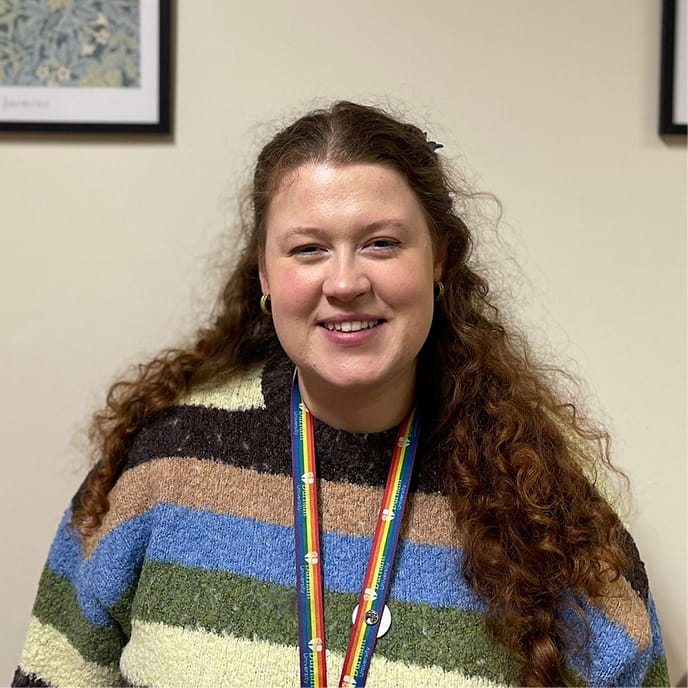
She has worked on the ‘Triple-A’ project and, more recently, on the ‘Better Research Together’ project. The Triple-A project is a University academic generated and led project that has been responsible for developing a training tool that aims to translate research into an online resource for educators, increasing awareness and understanding about the impact of attention, arousal (sensory processing) and anxiety in the classroom, and the Better Research Together project was a collaborative project between researchers and neurodivergent community members to advance participatory research.
A role of two halves
The role funded by Qube marries the theoretical role of the researcher with the more practical role of the advisor. Two separate functions, but where the research can feel quite distant from the practicality, the advisor role offers a more tangible impact for the 23% of students currently accessing the University’s disability service.
In practicality, Jess is line managed by the Head of Disability Support and for half the week, working within a team of ten advisors who support students from right across the University with disabilities, including those that are neurodivergent. Then on the other side of the role, she works with researchers in the computer science department to better understand some of the challenges facing computer science students who are neurodivergent.
Sarah Prescott, Head of Disability Support commented:
This funded role has been a valuable opportunity for Disability Support, further enhancing our existing core provision to disabled students at the University and enabling us to engage collaboratively with work Jess is undertaking in her departmental role. Jess’ expertise, insight, and commitment to supporting neurodiverse students is evident throughout her work. The funding provided has made a tangible difference to projects that Jess is supporting, including creating social groups for autistic students at Durham, a project aiming to create sensory maps of our college spaces, and a brand-new autism awareness training session rolled out to academic and college colleagues in 2026. We are extremely grateful for Qube’s philanthropic support.”
Jess shared her experience of the role with us:
How did you feel taking on a role with such a hybrid nature?
I’m almost halfway through the role’s three-year funding period. I have to admit to being a little apprehensive at first because this hybrid role is so different for me and for the University, but it has worked better than anyone could have imagined. It’s so rewarding to look at the bigger picture alongside finding day-to-day solutions to real challenges.
In your work with Disability Support, does your case load reflect your research into neurodivergence?
I work to support students with disabilities of all kinds, which is really interesting, but because of my experience, I work very closely with the two advisors on the team that specialise in neurodivergence. For example, if there are autistic students that come through the service, these colleagues and I may work with them a little bit more closely, making use of check-in appointments across the academic year.
How do you feel about the level of support for students at Durham?
It’s improving all the time. Within the (Disability Advisor) team, we have diverse backgrounds and skills and we’re constantly trying to improve our approach. The University’s recently established student support model really helps by clearly signposting the support available and how to access it. The team have previously developed the Early Arrival Programme for autistic students arriving before Freshers Week to help the smooth transition into university, and I have helped expand this by running social groups for students facing similar challenges to get together. Our Colleges also have a role to play in supporting students to get involved in activities outside their study, they have their own student support teams and run social events that are often more inclusive that the University-wide ones run by the Students’ Union.
Do you have a vision for where the role might lead?
The term for the role is three years. It would be great if it were to continue because there is an increasing number of students needing our support. From a research perspective, more longevity would mean more flexibility to look at longer term solutions. But as of right now, we’re planning within the three years.
Our current research has begun by focussing on developing a roadmap of research priorities to inform the research we focus on. This has included a large-scale systematic review, as well as collecting data from current computing students about their views. We have also used existing large-scale secondary data to understand the higher education landscape for neurodivergent students. In this initial phase of research, we have found that autistic students have an increased likelihood of studying a Computing degree. We have also found that some of the key issues for neurodivergent students in these spaces include things such as timetables and workload, transition to employment, and importantly, the impact of assumptions of neuro-normativity on course and environmental design.
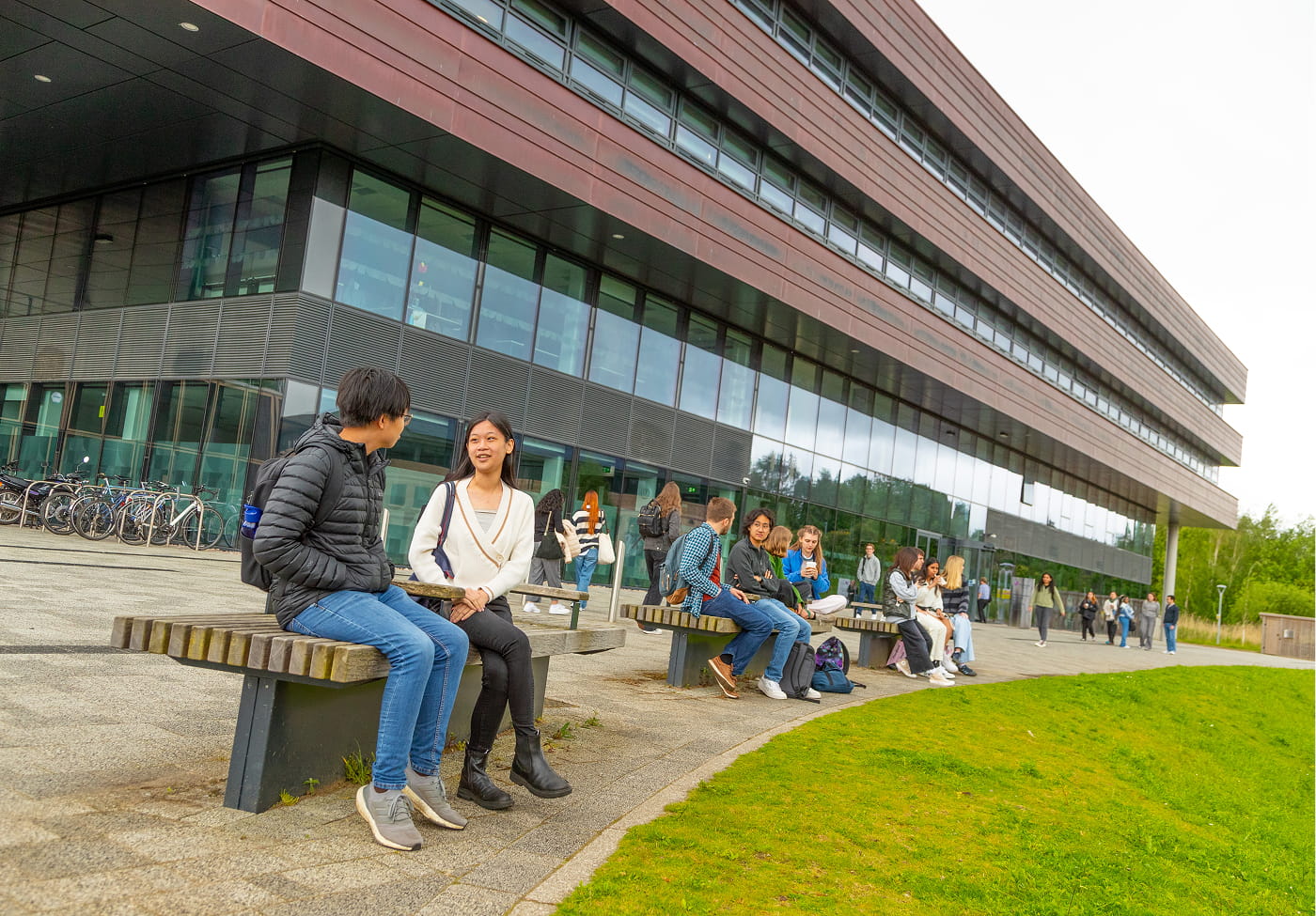
Our support systems and collegiate structure enable as many students to thrive as possible. We are grateful to our alumni like Nick Harris for supporting us to learn more about the challenges encountered by some of our students and for helping us to develop strategies for the future.
For those studying at Durham, we are continuously evolving networks to support all our students during their study and in their journeys beyond. Life after graduation is something that’s important to our neurodivergent students and an integral part of our research. Our Careers Service can offer lots of help, but the research conducted by the team in Computer Science as part of the donor-funded role has been developing more specific support for neurodivergence in career development, transition to employment, the kind of skills required and upskilling for employment. This is an area where the research will really inform the support we are offering and will be valued by potential employers.
As a company with creativity at the heart of our strategic purpose, we place the highest value on the collective intellectual curiosity of our team. We find that the experiences offered to Durham graduates encourages them to explore and resolve complex challenges in new and unconventional ways.”
NICK HARRIS
Read more:
- About our alumni community and keeping in touch
- About our Department of Computer Science
- About our Centre for Neurodiversity and Development
- About our MA in Neurodiversity and Development
- About Qube Technologies and Research