In 1875, a group of Durham students gathered to play a game that was still finding its feet. More than 150 years later, rugby at Durham University remains a defining part of student life, alumni identity and our wider contribution to sport.
Since celebrating its 150th anniversary in 2025, Durham University Rugby Football Club has continued to mark that milestone, both in the North East of England and on the world stage.
Durham is a well-established university with a good reputation. That’s what attracted me initially. Then I considered the rugby programme. Durham is in British Universities and Colleges Sport (BUCS) Super Rugby, which is a very competitive league. It’s a great shop window for people aspiring to play professional rugby. It was a win-win for me. I could combine my studies with the opportunity to progress with my rugby and future career in the sport.”
MAX PEPPER
A tradition rooted in North East England
Rugby has been played at Durham University since 1875, giving the Club a history that spans more than a century and a half. From its earliest years, it became part of the rhythm of collegiate life, shaped by both the University’s traditions and the North East of England’s deep-rooted connection to the game.
Over the decades, Durham teams have earned a reputation for discipline, leadership and resilience. These characteristics have resonated far beyond the touchline. Numerous alumni have carried those qualities into diverse careers. Others remained within the game, shaping its future both on the pitch and in coaching and executive roles.
Few figures embody that continuity more clearly than Ted Wood, former Durham coach and Club President. His expertise and influence helped shape elite players and Durham graduates such as Will Carling, Will Greenwood, Phil de Glanville, Chris Oti and Marcus Rose, all of whom progressed to international rugby. Their achievements remain some of the most visible markers of Durham’s historic contribution to the men’s game. They also reflect something deeper: a culture that valued character as highly as performance.
Adapting to a changing game
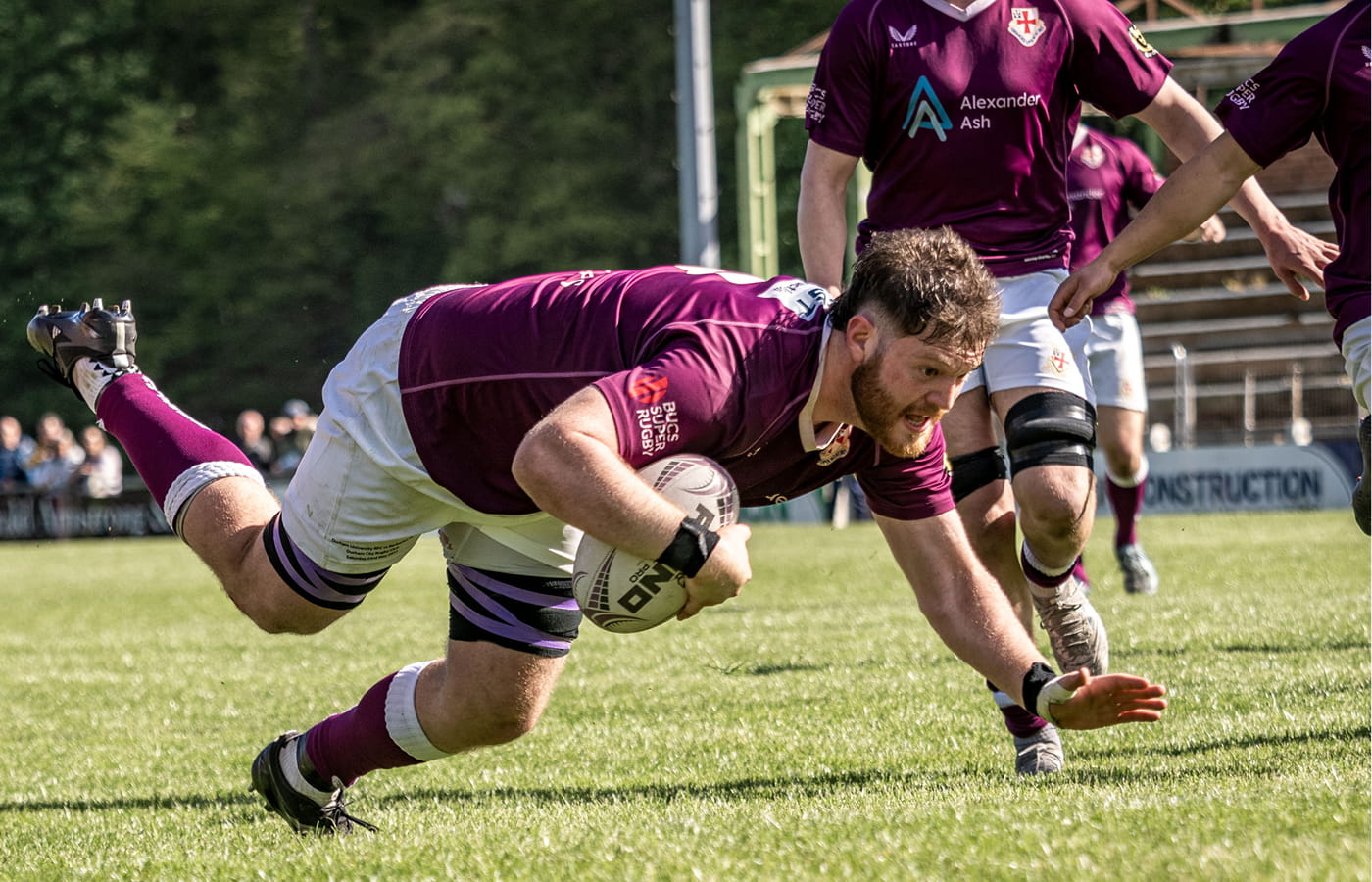
While rugby has transformed dramatically since the 19th century, Durham’s strength has been its ability to adapt. Today, the University competes consistently at the highest level of BUCS Super Rugby, operating within an elite sporting environment that mirrors professional standards while our students continue their academic journey.
Durham’s rugby performance model – encompassing coaching, strength and conditioning, medical support, performance analysis and leadership development – forms a central part of the University’s wider student experience. Crucially, many of those leading this work are Durham alumni themselves, returning with first-hand knowledge of the balance required to succeed both on the pitch and in the lecture theatre.
That continuity matters. It ensures that institutional memory is not lost, and that modern innovation sits alongside long-established values of integrity, humility and pride in representing the University.
I think what makes Durham rugby great is the opportunity to be connected for life. I have witnessed first-hand the guidance and support our rugby alumni give to current students.”
DAVE COLDWELL
Head of Sport and Physical Activity
From Durham to the professional game
That principle is evident in the journeys of recent alumni. Guy Pepper (Sport and Health Exercise, Grey College, 2021-2025), who studied at Durham and grew up in the North East of England, progressed from university rugby into the English Premiership and, more recently, on to England honours. His brother, Max Pepper (Sport and Health Exercise, Collingwood College, 2021-2024), followed a similar trajectory, establishing himself in the professional men’s game after graduating from Durham and representing Great Britain at Rugby Sevens.
Their paths illustrate the strength of Durham’s modern rugby ‘pipeline’, one that connects regional talent with national opportunity without requiring students to step away from academic life. This combination has become increasingly rare in a professionalised rugby landscape. It remains a defining feature of Durham’s offer.
Alumnus Fitz Harding, now captain of Bristol Bears, has continued his relationship with Durham long after graduation, returning during the anniversary year to present kit to current players. Harding’s presence underscored the strong bond between alumni and today’s squads, and the importance of visible role models within the University community.
Women’s rugby and evolving narratives
If the historic narrative of Durham rugby was once dominated by the men’s game, the present and future tell a broader story. Women’s rugby at Durham has grown steadily in scale and influence, producing internationals, professional players and leaders who are reshaping perceptions of the sport. Alumni such as Maëlle Picut, who has represented France, Beth Blacklock, capped by Scotland, and Coreen Grant, a Scotland international and former Durham captain, reflect the depth of talent emerging from the University’s women’s programme.
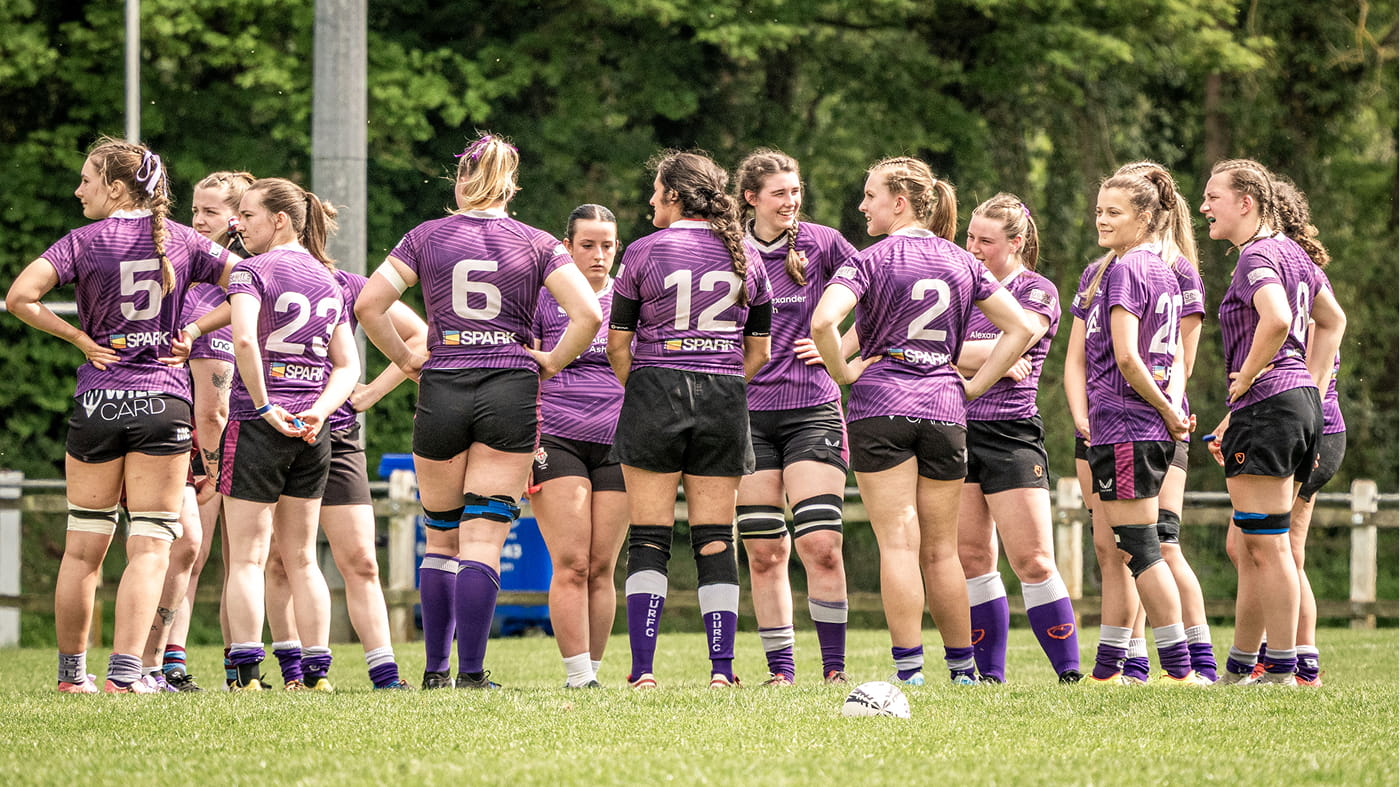
Claudia Moloney-MacDonald (Economics, Josephine Butler College, 2015-2018), a Durham graduate who took up rugby whilst studying at Durham played both for the University and for her college. Her rise through the sport has been remarkable. She currently plays in the English Premiership with Exeter Chiefs. As a member of England’s Red Roses, her achievements include lifting the Rugby World Cup and more recently competing in the 2026 Women’s Six Nations, a career that reflects both elite performance and sustained excellence at the highest level.
Her success also points to wider changes within the University’s rugby culture. Women’s rugby is no longer a marginal story, but a central one, supported by performance infrastructure, coaching expertise and increasingly strong alumni networks. While not all achievements attract headlines, together they illustrate how Durham continues to adapt as the game itself evolves.
Untold stories and access to opportunity
Over more than 150 years, one of Durham rugby’s strengths has been its ability to open doors. For many students, rugby has provided not only a sporting outlet, but access to leadership experience, confidence and community.
In recent years, this commitment has been reinforced through targeted scholarship support. The Durham Racecourse Rugby Scholarship, funded by rugby alumni, supports talented players from lower-income households, providing £5,000 per year for up to four years of undergraduate study. Open to both men and women, the scholarship combines financial support with informal mentoring and full integration into Team Durham’s performance programme.
By reducing financial barriers to participation, the scholarship ensures that talent, rather than circumstance, determines who can thrive. For recipients, the impact often extends far beyond university, shaping career aspirations and outlooks long after graduation.
Community across generations
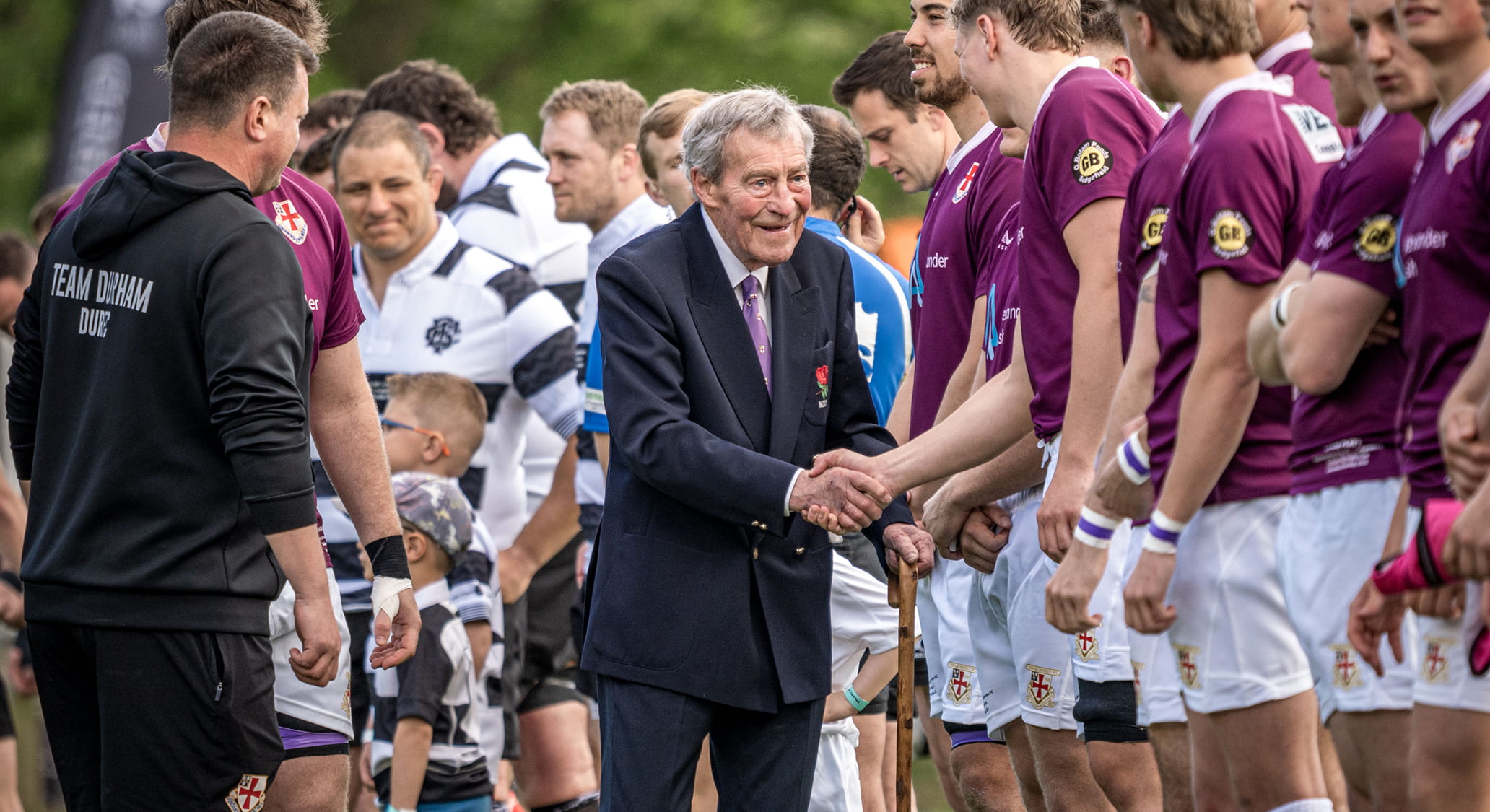
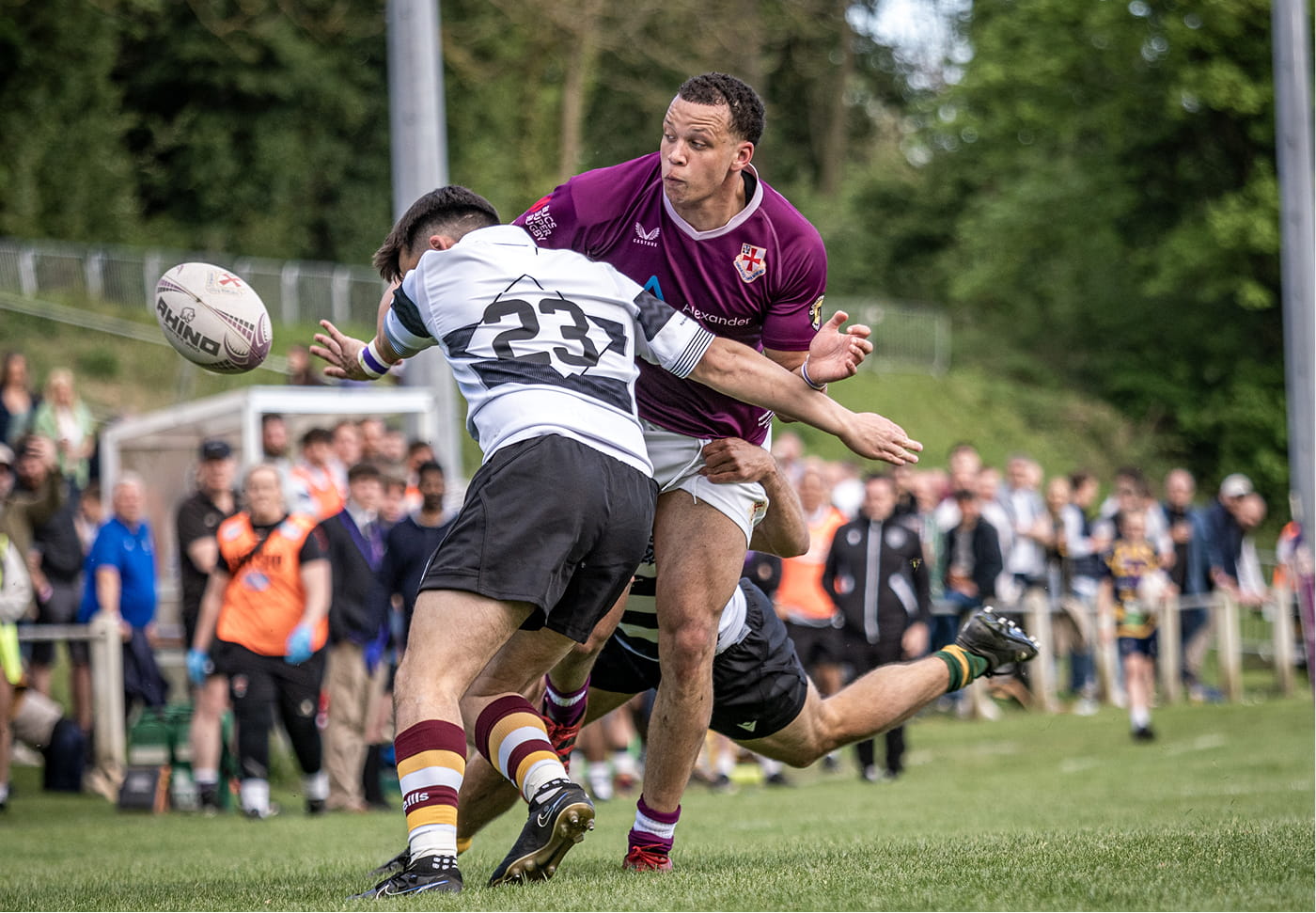
The 150th anniversary in 2025 served as a moment of reconnection as much as celebration. Alumni returned to Durham and London for fixtures, reunions and the launch of the 1875 Society, strengthening ties between past and present players. A landmark match against the Barbarians, staged at Durham City Rugby Club’s ground signified both tradition and renewal.
Since then, the anniversary has continued to inform how Durham rugby understands its purpose. Alumni engagement plays a growing role in mentoring, careers guidance and network-building, reinforcing the idea that participation in rugby at Durham is the beginning of a lifelong connection rather than a finite experience.
Looking ahead
For students, rugby at Durham offers the chance to pursue excellence within a supportive academic environment. For alumni, it offers enduring connection and shared pride. And for the University, it stands as a powerful example of how tradition, innovation and opportunity can coexist.
After more than a century and a half, the impact of rugby at Durham endures: both on the world’s rugby fields and on the development of our students as leaders of the future.