This year has been especially rewarding. Among very many successes for our students, staff and wider community, we were named The Times and Sunday Times University of the Year.
This recognition celebrates our outstanding teaching, research and student experience It also reflects on the generations who have been part of Durham’s story. Your contribution as alumni to the University’s past, present and future, continues to matter deeply.
In every profession and community, our graduates live out the values, ambition and sense of purpose that define our University. Your achievements, your continued engagement and your support inspire those who follow in your footsteps. You bring the world to Durham – and Durham to the world.
We remain firmly placed in the Top Five of all major UK league tables, and our academic standing continues to rise internationally. This year we achieved our best-ever result in the QS World University Rankings by Subject 2026. There are 22 subjects ranked in the world’s top 100—a remarkable milestone.
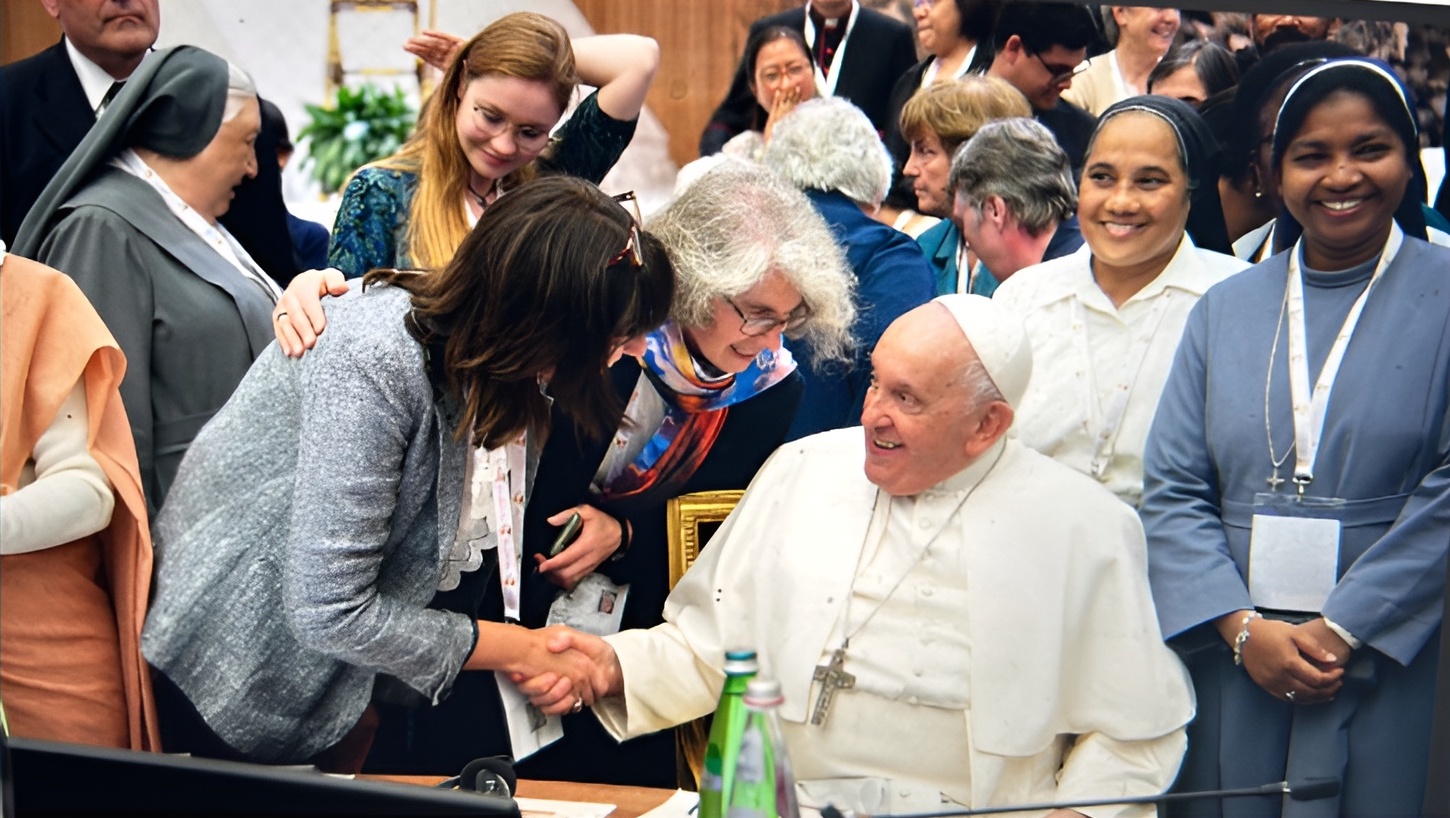
Our Chancellor, Dr Fiona Hill, continues to provide us with her expertise, insight and inspiration through engagements with our alumni, students and staff.
Dr Fiona Hill at the Chancellor in Conversation event
Earlier this year, Fiona joined a panel discussion with leading industry experts on artificial intelligence as part of our Chancellor in Conversation series. More recently, she welcomed alumni to her third Chancellor’s Circle dinner.
She continues to be a passionate advocate for the transformative power of education and supporting the next generation of students. We will welcome the first Fiona Hill scholars in September, recipients of scholarship funded by Fiona herself as a way of “giving back” to those who supported her.
Our research continues to inform and shape thinking on a global scale. Two of our geographers were awarded the Polar Medal by the King in recognition of their outstanding work. Our archaeologists have also made headlines nationally and internationally – from uncovering the extraordinary Melsonby Hoard in Yorkshire to excavating a Bronze Age city in Kazakhstan – helping us better understand our shared past.
This summer, our teams claimed ten British Universities and Colleges Sport (BUCS) titles, across sports disciplines ranging from American football to water polo.
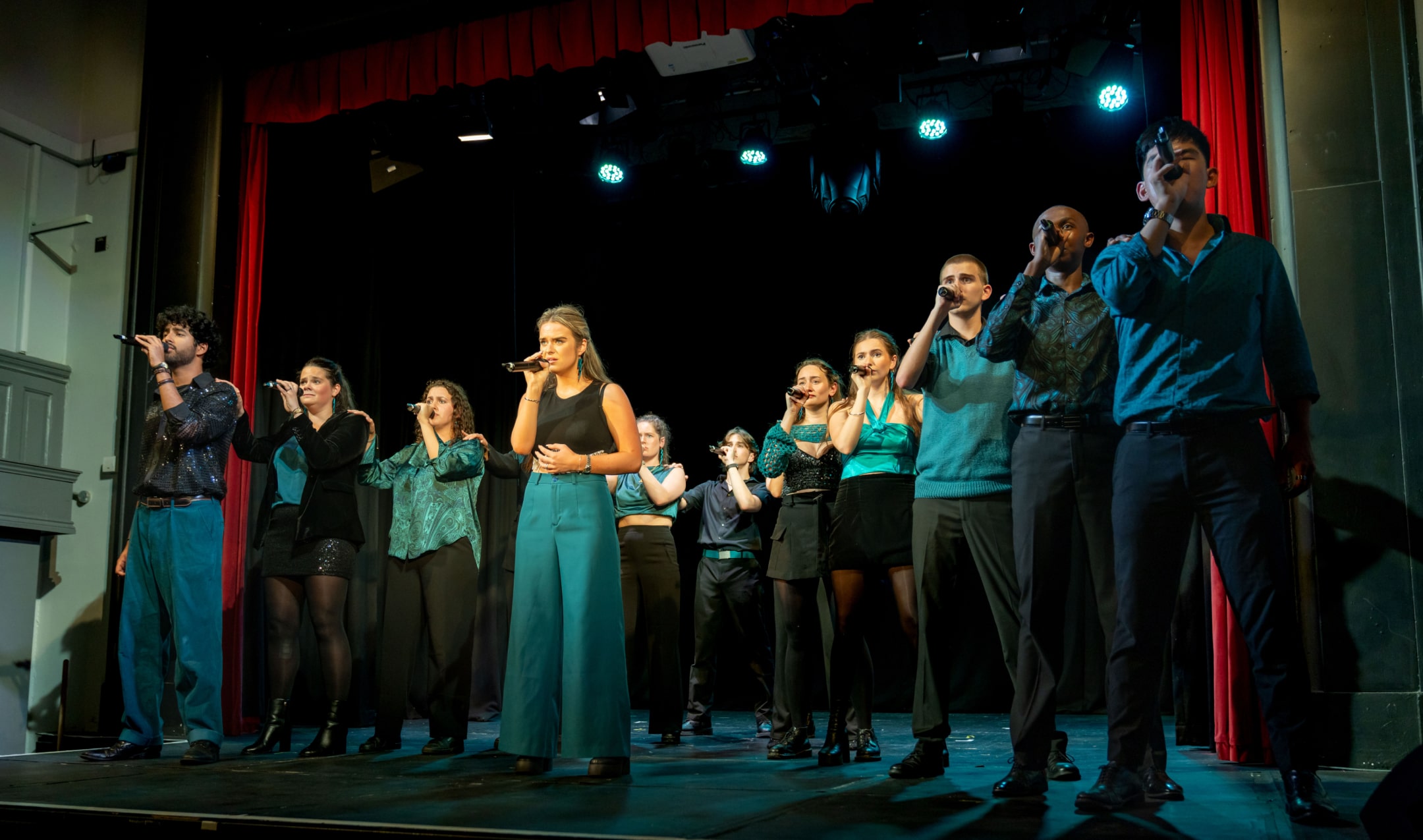
Northern Lights A Cappella at the 2026 ICCA Final. Image credit: Ian Shiff
Our student a cappella group, Northern Lights, were crowned UK champions for the fourth year running and took second place at the International Collegiate A Cappella Final in New York. A group of students who had previously performed in Northern Lights, called the The Menagerie Club, appeared on prime-time television show Britain’s Got Talent, earning judges’ praise as being “out of this world”.
Earlier this year, I joined colleagues and members of the local community at the Durham Light Opera Group’s vibrant production of Grease at the Gala Theatre. I later attended a deeply moving performance of Verdi’s Requiem in Durham Cathedral by our University Choral and Orchestral Societies.
Two of our alumni, Dr Yang Li and Yuk Chi Chan have been named as National Winners of the British Council’s Study UK Alumni Awards. These awards celebrate international graduates who have used their UK education to make a meaningful difference in the world. A further six of our alumni have named as finalists across the categories of Business and Innovation, Culture and Creativity and Science and Sustainability.
Alumni Champion of Champions University Challenge team.
Many of us watched with great excitement as our alumni team defeated teams from Manchester, Cambridge and Oxford on British quiz show University Challenge, to become ‘Champion of Champions’ for a second consecutive year.
Alumna and award-winning actress, Ambika Mod, took on televised baking challenges to raise money for charity, while alumnus Nick Mohammed reached the final of Celebrity Traitors. It was a pleasure to welcome Nick back to Durham at Summer Congregation, where he received an Honorary Doctor of Letters.
In sport, our alumni continue to excel at the highest levels. Among many achievements, we celebrated alumna and professional rugby player Claudia Moloney-MacDonald as part of England’s Red Roses squad, which won the Women’s Rugby Union World Cup in 2025 and followed this with victory in the Women’s Six Nations. Our alumni have also represented national teams in men’s rugby union and hockey and won medals at the Rowing World Championships.
Community and belonging remain at the heart of University life. Last year we celebrated milestone anniversaries for three of our Colleges. We are preparing to mark a further four this year as Trevelyan College reaches 60, both John Snow and Stephenson Colleges turn 25 and Josephine Butler College is 20. We very much look forward to welcoming many more alumni back to Durham to celebrate, renew connections and make some new ones.
Thank you to those who have contributed to this magazine. I hope you enjoy reading it, and I hope it reminds you – wherever you are in the world – just how much you remain part of Durham University’s story.
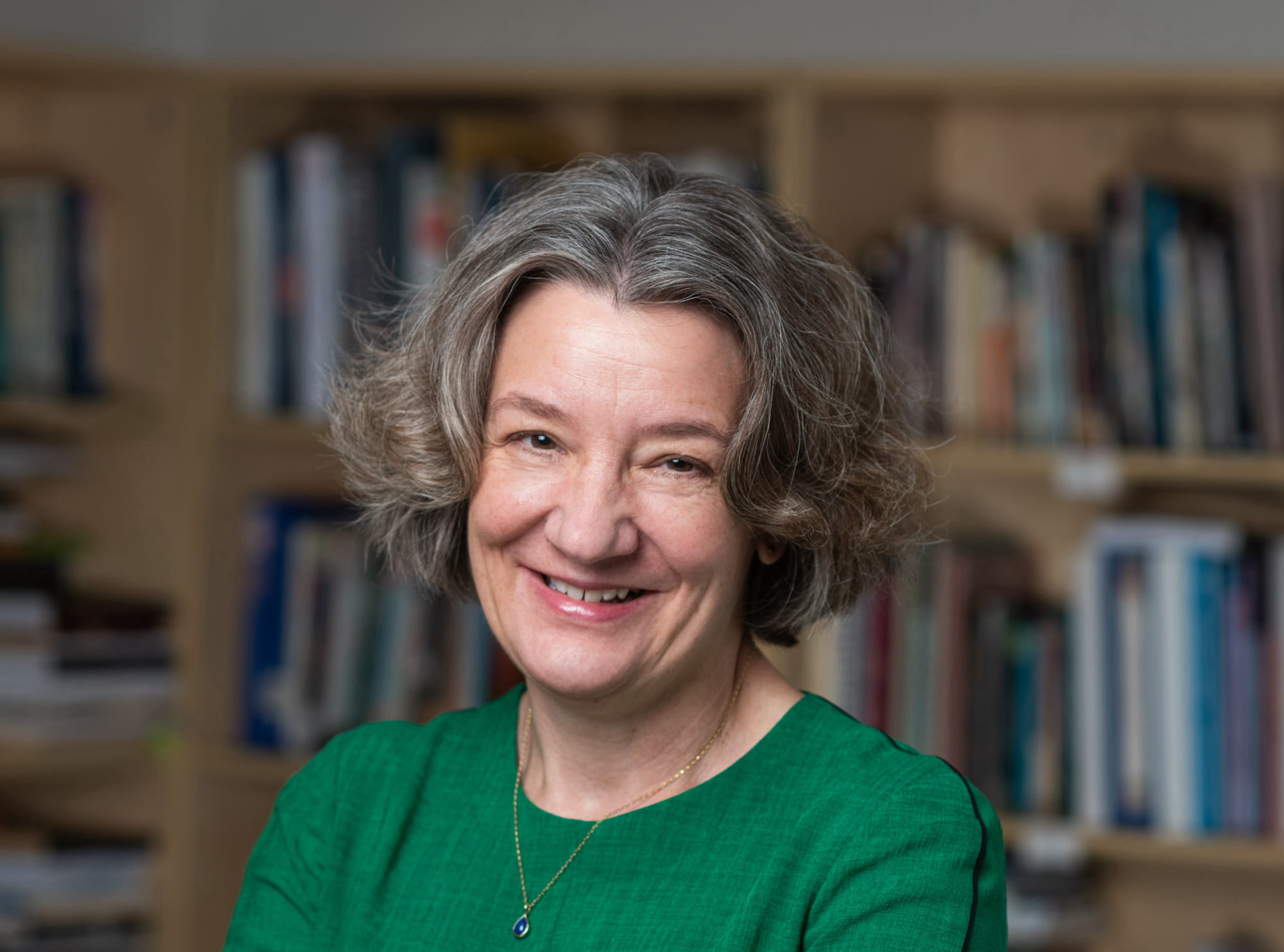
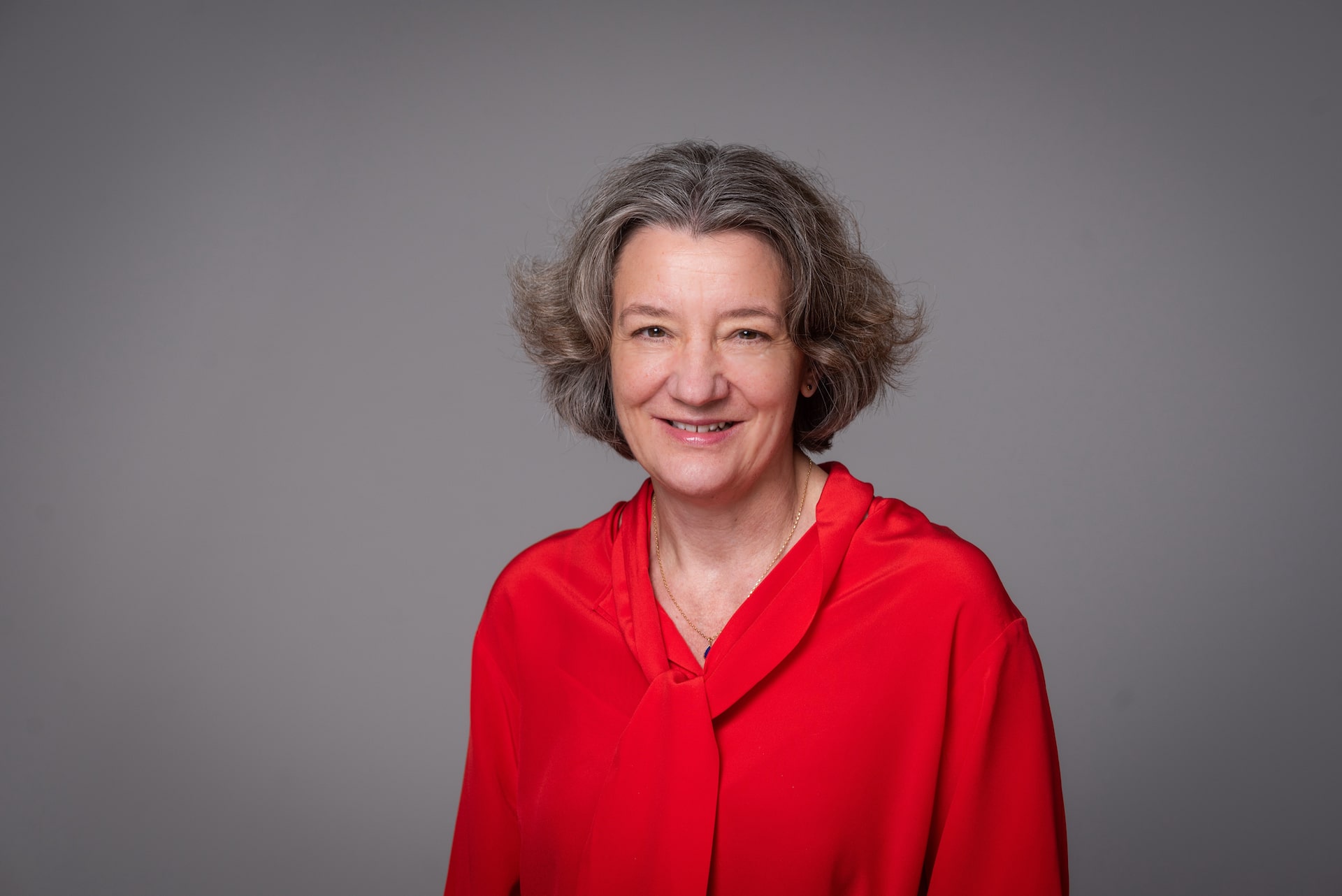
Professor Karen O’Brien, Vice-Chancellor and Warden
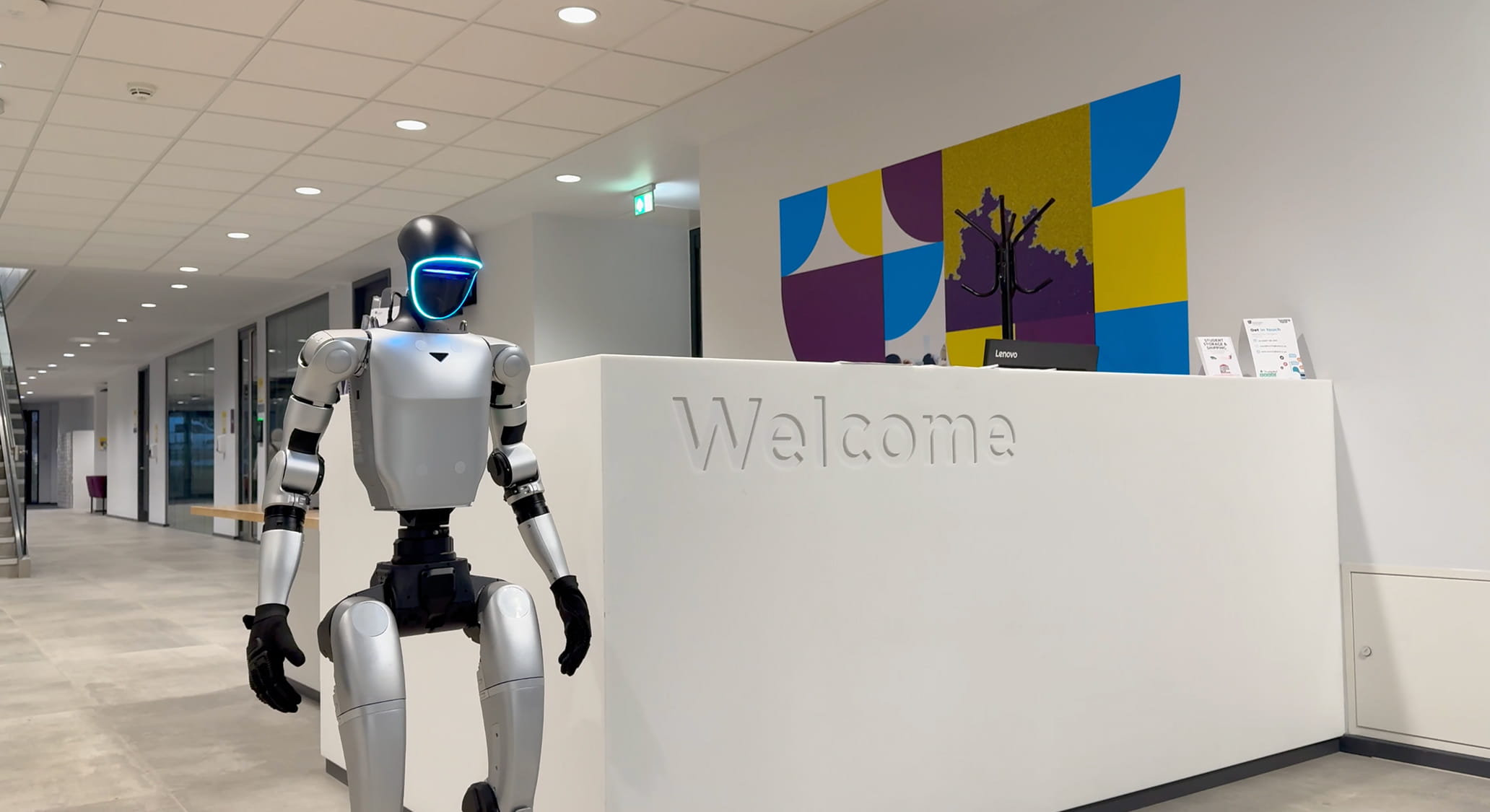
Our Department of Computer Science recently welcomed Alan, a humanoid robot set to support future research.
Artificial Intelligence is already reshaping how we live, work and learn. From climate science and healthcare to education and industry, its use continues to grow.
At the same time, questions of responsibility, skills and human oversight remain central to how AI should be developed and used. At Durham, we are engaging with these questions through research, leadership and enterprise, with a shared commitment to preparing people and communities for tomorrow’s world.
Over the past year, conversations about AI have taken place across the University. From an event with business leaders chaired by our Chancellor, Dr Fiona Hill, to a panel discussion of experts at Convocation, and through the work of student entrepreneurs supported by the Hazan Venture Lab, we are taking a thoughtful and collaborative approach. Together, these activities show how we are contributing to a future in which AI supports people, strengthens communities and addresses real world challenges.
From ideas to impact: student enterprise and climate innovation
Alongside research and leadership, student enterprise plays an important role in how we prepare for tomorrow’s world. Through Venture Lab, we support our students in turning ideas into practical solutions, connecting academic knowledge with real‑world needs.
One such venture is Feasibly, a start‑up emerging from the Venture Lab that is addressing one of the UK’s most significant and costly climate challenges: renewable energy planning. As demand for clean energy grows, delays in planning and development have become a major barrier to expanding renewable infrastructure.
Feasibly is exploring how data‑driven and AI‑enabled tools can support more efficient planning processes. By helping stakeholders make better informed decisions, the venture aims to reduce delays and support the transition to renewable energy.
We need to scale energy installations rapidly, and that starts with building in the right places. By automating spatial data analysis and communication, key stakeholders in critical infrastructure can communicate instantly. We are building the AI for infrastructure that builds itself.”
Beth Holloway
Co-founder at Feasibly
Beth and Lee on stage at the Start Up Awards North East
Still in its early stages, Feasibly reflects the wider ambition of our student enterprise community, bringing together technical skills, environmental awareness and an understanding of policy and systems. It also shows how interdisciplinary thinking can support solutions to complex societal problems.
Venture Lab provides students with mentoring, accelerator programmes and access to alumni expertise, helping founders test ideas, refine their thinking and build confidence while creating meaningful connections between current students and graduates.
Connecting with alumni throughout our journey motivates us as we witness their achievements and absorb the valuable insights they share.”
BETH HOLLOWAY & LEE THOMPSON
Co-founders at Feasibly
Supporting innovation at scale: the Blueprint Start-up Challenge
This pipeline of ideas is further strengthened through the Blueprint Start-up Challenge; Durham’s flagship student start‑up competition. Following 96 applications, six finalist teams have been selected to compete in the final in June for a top prize of £10,000, with more than £50,000 in funding allocated across the competition. The final will be judged by a panel including Durham alumnus and Hazan Venture Lab supporter Jonathan Hazan (Computer Science, Hatfield College, 1988-1991).
Many of this year’s ventures demonstrate how AI and data‑driven thinking can be applied to real‑world challenges across sectors. These include:
Tooti, an AI‑powered platform delivering personalised music education at scale
VivaEdu, using technology to assess student understanding and support academic integrity
Robotnik, combining AI and robotics to deliver chemical‑free agricultural weeding
STEMUp, applying data‑driven approaches to identify untapped STEM potential
Lexo, a speed‑reading and comprehension training platform designed to improve how users process information
Ventureships, connecting students and employers through project‑based problem solving
While varied in focus, these ventures share a common theme: using AI, data or digital innovation to improve access, efficiency and decision‑making.
Supported by alumni, partners and expert mentors, the Blueprint Start-up Challenge helps students develop ideas into viable ventures. It also creates opportunities for alumni to engage directly with emerging innovation, whether through mentoring, judging or investment.
It is an honour to work with the students and see first-hand the impact of my donation, which is providing opportunities they would not otherwise have had. I look forward to seeing Venture
Lab continue to develop and inspire further generations to create transformational businesses.
Jonathan Hazan
AI at Convocation 2026. Left to right: Vice-Chancellor and Warden, Professor Karen O’Brien; Professor Hubert Shum; Dr Travis LaCroix; Dr Sarah Heaps; Deputy Vice-Chancellor and Provost, Professor Mike Shipman; University Secretary, Dr Amanda Wilcox.
Global impact: research shaping the AI conversation
These themes of responsibility, collaboration and human oversight are also central to our research community, and were explored further at our annual meeting of Convocation in February. Convocation brings together alumni and University leaders to share highlights and future plans.
The event featured a panel chaired by Professor Mike Shipman, Deputy Vice-Chancellor and Provost, alongside Professor Hubert Shum, Dr Sarah Heaps and Dr Travis LaCroix. Together, they examined how Artificial Intelligence is shaping tomorrow’s world and how research can inform both opportunity and risk.
The discussion highlighted the pace of AI development and the need to consider how humans interact with these systems. Questions of accountability, reliability and control were central, as were the ethical and social implications of increasingly capable technologies. They also underscored the strength of interdisciplinary AI research at Durham, spanning computer science, psychology, philosophy, statistics and the social sciences.
Audience questions reflected growing public interest in the everyday impact of AI, including its role in learning and how it should be governed. Professor Shipman emphasised the importance of research and education in ensuring that AI development remains grounded in human values.
For alumni, Convocation offered insight into how research at Durham is helping to shape informed debate and practical outcomes, while reinforcing the value of interdisciplinary collaboration.
Chancellor, Dr Fiona Hill
Local influence: leadership, place and responsibility
Building on these global perspectives, we also explored the regional implications of AI through a Chancellor in Conversation event in January. The discussion focused on the role of AI in business, skills and regional development, and how national ambitions can translate into meaningful benefits for the North East of England.
Held at the Waterside Building, the event welcomed more than 200 students, staff, alumni and regional partners. Dr Fiona Hill was joined by Henri Murison and Grant Brown, bringing together academic, policy and industry perspectives.
The panel emphasised that AI‑driven growth depends not only on technology, but on investment in people and infrastructure. Speakers highlighted the importance of applying new technologies to existing industries, particularly in regions with a strong industrial heritage.
Professor Fernandes described AI as “a very smart lab assistant”, reinforcing its role in supporting human expertise rather than replacing it. Dr Hill similarly emphasised the central role of people, noting that workforce development must come before large‑scale investment in technology.
For attendees, the discussion reinforced the importance of regional engagement and highlighted the role of universities as trusted spaces for dialogue.
Beth Holloway and Lee Thompson, Co‑Founders of Feasibly
Working with the Durham Venture Lab team not only gave us the tools to build and manage a business but also to find our feet within the environmental movement and carve out a space for ourselves in the world.”
BETH HOLLOWAY & LEE THOMPSON
Co-founders at Feasibly
A shared responsibility for the future
Across leadership events, research forums and student enterprise, a clear message is emerging. Artificial Intelligence offers significant opportunities, but it also demands careful consideration. At Durham, we are committed to approaching AI with curiosity, responsibility and collaboration.
We are preparing our students not only to use new technologies, but to understand their impact, question their limitations and apply them thoughtfully. Through research, we are contributing to global conversations on ethics, governance and human‑AI interaction. Through enterprise, we are supporting practical applications that address real world challenges.
The Menagerie Club: (back from left) Anoushka, Aislinn, Lucie, Andy, Adam and (front) Nick.
For over a decade, Northern Lights A Cappella, our award-winning singing group, has been a standout part of our student performing arts community. They have been UK champions for the last four years and were recently runners up in the International Championship of Collegiate A Cappella finals in New York.
Many of our singers remain involved in music after they graduate, as shown when a group of Northern Lights alumni, now performing as The Menagerie Club, appeared on ITV’s Britain’s Got Talent (BGT) during the Blackpool auditions for the series.
We caught up with four of the six members of the group to reflect on their experience at Durham, life after graduation, and what the future might hold.
The Menagerie Club members appear on stage at their Britain’s Got Talent audition. Image credit: Tom Dymond / Talkback Thames.
The energy you brought onto stage was so positive and joyful. Every song choice was amazing, the harmonising was out of this world!''
Amanda Holden
Britain's Got Talent Judge
Tell me a little about your experience at Durham with Northern Lights
[Lucie] Northern Lights was my entire experience – I auditioned in my first week – and then stayed behind after graduation to sing extra sessions. So, it really saw me through right from the start to the end. But I think something that is incredibly magic about Northern Lights is the fact that you are genuinely best friends.
[Adam] The group are so successful year on year because of the culture at Durham. The work ethic of the group is nurtured by the whole University, so much so that even when the line-up changes, the result remains the same. It’s not the individuals; it’s the culture around the group that makes it like it is. I was never in Northern Lights with Aislinn and neither was Andy, our beatboxer, but that just shows the thread that runs through even once people have left. We’re all from Northern Lights, but we’re not just from a snapshot of one generation.
How has life changed since graduation?
[Aislinn] Life has changed in lots of different ways – there’s a lot less structure. You have to have work ethic and make your own decisions on how you’re going to schedule your life around whatever you want to achieve, but Durham kind of prepared us a lot in that sense, learning became more fluid, less structured, and that helped.
[Lucie] When I left Durham, I had put the idea of performing to bed, I’m currently doing a law training contract. With the addition of The Menagerie Club, it’s exciting to know that I’m building towards something that’s going to give me future stability in terms of a career, but also that I’m not having to sacrifice the thing that brings me so much happiness. I think we’re lucky to find a balance.
[Noush] We have all grown so much and have stayed tightly connected from the shared experience of navigating life after university. We work hard and spend all our spare time pushing for success. It’s a blessing to be able to share that with a group of friends who are on the same journey. It’s really busy but it’s worth it!
How was The Menagerie Club born?
[Adam] It took a while to work out what it was going to be, but it’s been about a year since we did our first gig in the way that we do now. It was born out of out of a kind of mutual understanding and collective curiosity.
[Lucie] I think one of the very first times we met, we had been watching Northern Lights recruiting new members on Instagram and we just wanted to do some singing. So, it was kind of finding our own purpose. And it’s fun.
[Noush] The timing couldn’t have been more ideal; we had all recently graduated and had a collective need to keep pursuing music after university. When we realised we all had this same vision was when The Menagerie Club was born, at a rooftop restaurant in London!
[Aislinn] It all just happened and then accelerated over time in terms of the gigs and the festivals that we were doing. The first festival we did was in Croatia, then Leipzig, then around Europe, because a cappella is big in Europe and especially Germany. Then we did our debut show in London at the Century Club in Soho, which was really cool, headlining our first hour long set.
Tell me a little about Britain’s Got Talent
[Adam] We were contacted by the show and went through the process suspecting that it might be a scam, because who thinks that BGT is going to just drop you a message? It was only when we were at the side of the stage and saw Simon Cowell that we thought this is actually Britain’s Got Talent!
[Lucie] I remember standing at the side waiting to go on and it was a particularly anxious wait because the act before us had been buzzed off – and then the next one got the golden buzzer! Our slot was pushed back as they cleared the confetti off the stage.
[Aislinn] It was so cool to meet Ant and Dec. They gave us like hugs on the side of the stage and cheered us on. It was really lovely.
[Lucie] We did wonder if BGT was the best thing for our reputation as musicians, but it was awesome. An opportunity to perform in the Winter Gardens in Blackpool in front of the owner of one of the biggest record labels in the country and a full studio audience.
It [BGT] was a bit of a fever dream. We were overwhelmed by how many people really, really loved what we were doing. It was humbling to see people appreciate this craft that we’ve all grown to love.”
Lucie Fletcher
[Adam] The show was filmed in October 2025. It all went quiet and we continued to chase opportunities, assuming that BGT had fallen through. Then, six months later, with 48 hours’ notice, we were on national television on top of what had become a very busy schedule. It’s very exciting. Our videos have had over 9 million views online and we now have over 20,000 followers across TikTok and Instagram.
Where do you go from here and what is the dream?
[Adam] There’s a couple of answers to that. From an a cappella perspective, Northern Lights changed our lives in various ways, but we’re very aware of how niche it is. It’s a difficult and quite serious musical discipline that is really enjoyable and something that people enjoy, so we would really like to make it a little more mainstream.
But we also just want to be credible artists. We just want to be a band and enjoy making music in the way that we like making it. We are at the stage our lives where it’s hardest to do this because we have no stability. We have to work out how we’re going to pay rent each month. It’s not exactly the easiest financial climate to be doing this in either.
What we are doing in the short term as we build ourselves up as a band, is some corporate work: private events, weddings, parties and award ceremonies. Our music is very visual and great to dance to. This is great experience whilst building to becoming an independent artist.
And finally, what advice would you give new students?
[Lucie] Grab every opportunity that you can. We did incredible things with Northern Lights, and I was also heavily involved with Durham Student Theatre. Producing shows and performing on the Gala Theatre stage is something I’m probably never going to be able to do again.
I got involved with the Executive Committee, and I was treasurer, which taught me that I love working with people and I love problem solving – that was massively influential in terms of helping me choose my career. The interview for my current job went so well because I had so much to talk about after my experiences at Durham. I found I had a load of really relevant transferable skills that meant I was offered a law contract even though I’d never done law before.
[Aislinn] A big thing about university is trying things that you find interesting, or trying something completely new, because that’s what helps you to learn more about yourself. This is when you really develop who you are as a person. There are so many societies, which I think is very unusual for quite a lot of universities. There’s something for everyone and there’s people who love the same thing. That’s where you make lifelong friends.
I played netball, tried lots of other sports, and then joined Northern Lights. I’m doing a graduate programme in consulting, and that’s so diverse. I think that my experiences at Durham have really helped.
The Menagerie Club members are grateful for all the support and good wishes that they continue to receive from the Durham community. They attribute much of their success to the opportunities offered to them from the University.
The Menagerie Club are available for corporate and private bookings.
We spoke to Adam Critchlow (Philosophy, St Chad’s College, 2021–2023), Lucie Fletcher (Music, Hatfield College, 2021–2024), Aislinn De Buitlier (Natural Sciences, Collingwood College, 2021–2024) and Anoushka Pluwok (Music, College of St Hild and St Bede, 2021–2024).
The other two members are Nick Lau (Music, St John’s College, 2020–2023) and Andy Chan (Criminal Justice Studies, St Mary’s College, 2020–2023).
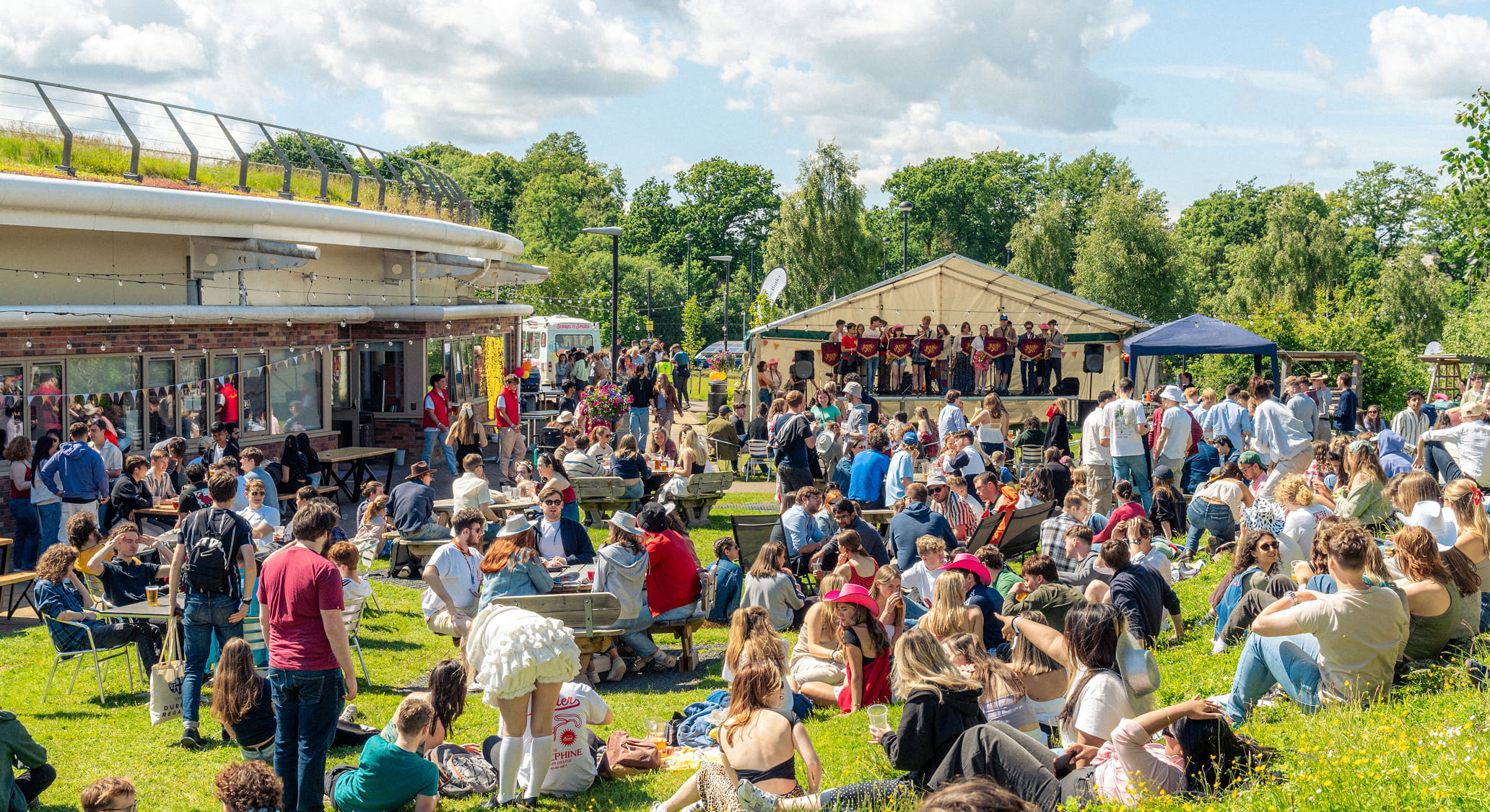
Butler Day celebrations at Josephine Butler College
Anniversaries offer more than an opportunity to mark the passing of time. They allow us to reflect on shared beginnings, to recognise growth, and to look ahead with confidence.
Last year we celebrated milestone anniversaries at three of our colleges: St Mary’s College turned 125 and both Van Mildert College and Ustinov College celebrated 60 years.
This year, we are celebrating with four more of our colleges as Trevelyan College turns 60, Josephine Butler College approaches its 20th anniversary, and Stephenson College and John Snow College each mark 25 years since their founding. Together, these anniversaries celebrate the continuing importance of the collegiate community and the lasting impact of those who pass through it.
Trevelyan College is entering its seventh decade since its foundation in 1966. The College is named after historian George Macaulay Trevelyan, Chancellor of the University from 1950 to 1957. It was the last purpose-built all-female college to be built for a British university. Men were admitted for the first time in 1992 and the College is now a diverse, international community with just over 1,000 students.
Josephine Butler, Stephenson and John Snow Colleges are relatively young in nearly two centuries of our University history. Each takes its name from a social pioneer whose work reshaped thinking in their field and whose influence reached well beyond their own generation. 19th Century social reformer, Josephine Butler championed equality, particularly for women and girls. George Stephenson became known as the father of the railway after the Stockton-Darlington line opened in 1825, transforming transport and industry. Pioneering 19th-century physician, Dr John Snow, became one of the founding figures of modern public health, changing the course of public health through evidence and innovation. From their origins in the North East of England, their legacies continue to resonate across the world and through the colleges that bear their names.
The Dowrick Suite at Trevelyan College
Trevelyan College: Explore without Limits
Trevelyan’s distinctive hexagonal architecture was designed by John Eastwick-Field and has won a Civic Design Award. Its facilities are interconnected and under one roof, epitomising the friendly atmosphere upon which the College prides itself. In 2020, Trevelyan added to their Latin motto with an additional English one, “Explore without Limits”. This reflects the College’s focus on providing its students with the opportunities they need to challenge themselves and develop into well-rounded, future-ready graduates.
60th anniversary activity will celebrate success and acknowledge the College’s history through a programme of events involving current students and alumni spanning the 2026/2027 academic year, marking both the foundation in 1966 and the first year of residence in 1967.
There are a series of alumni reunion events planned as well as specific student-led events, both in Durham and other locations and specific student-led events to celebrate the College’s rich heritage in music, theatre, sport and art.
The anniversary will celebrate the six decades of success, inclusion and community, and create a lasting legacy to support future generations of students so that they too can ‘explore without limits’.
The vision will deliver in three areas: scholarships, bursaries and facilities. Six Explore Scholarships will offer financial support to undergraduate students from under-represented backgrounds for the duration of their study. Student enrichment will be supported through the establishment of an Explore Fund, which will provide bursary support to encourage talented students to gain new experiences, develop new skills, and explore new ideas.
The final area of focus is on College facilities. Existing facilities will be enhanced with new equipment, fixtures and fittings to improve students’ experience and provide spaces for reflection and enhanced personal wellbeing.
There are exciting plans for the commissioning of a new piece of music to commemorate the anniversary, echoing the creation of the Trevelyan Suite, composed by Sir Malcolm Arnold for the opening ceremony of the College.
Activity will also include 600 hours of student volunteering in the local community, and alumni will be encouraged to inspire future generations by telling their story – the target is to share 60 alumni profiles in the duration of the academic year.
I am excited and look forward to celebrating 60 years of excellence at Trevelyan College, where we will honour our rich legacy, recognise our collective achievements, and embrace a bold vision for a future in which every student is empowered to explore, grow, and thrive without limits.”
Professor Adekunle Adeyeye
Principal of Trevelyan College
John Snow College bar
John Snow College: 25 years of shared stories
As John Snow College marks its twenty-fifth anniversary, celebration has centred on storytelling, reconnection and recognition. Throughout the year, alumni have been invited to share memories, photographs and reflections of their College experience.
Anniversary events have offered a range of ways to reconnect. Earlier this spring, a black-tie cocktail event in London brought alumni together to celebrate the College’s achievements and friendships formed since its foundation. On campus, the College hosted its largest Snow Day to date in June, with live music, food and activities bringing together students, staff and alumni in a shared moment of celebration.
A series of initiatives have also focused on strengthening links between current students and alumni. The Junior Common Room’s 2001 Club, named after the College’s founding year, has been developed to support connection across generations. Whether helping someone navigate a new city, begin a new role, or simply stay in touch, the emphasis is on maintaining college links for life.
The anniversary year also includes recognition of outstanding alumni through the 25 Faces for 25 Years initiative, celebrating individuals whose journeys reflect the values and legacy of John Snow College.
During a reunion weekend in July, John Snow and Stephenson College alumni communities began the year of celebration together with a gowned formal dinner and an opportunity to stay in College.
Our 25th anniversary is an opportunity to engage every part of the John Snow community — students, alumni and friends — in a year-long celebration. The programme spans three key areas: the launch of the John Snow Futures Programme, alumni and Senior Common Room engagement and a vibrant series of celebration events including a reunion Formal Dinner in Durham.”
Professor Nathan Sempala-Ntege OBE MA
Principal of John Snow College and Dean of Colleges
Stephenson College: 25 years of innovation and engagement
Stephenson College has begun marking its 25th anniversary through a series of events and initiatives leading up to September 2026. Named after the engineer and innovator George Stephenson, the College has long been associated with creativity, diversity and momentum, which are reflected in the anniversary programme.
At the heart of the celebrations is Connection 25, an initiative bringing together representatives from each generation of Stephenson graduates. These representatives have helped shape anniversary plans, ensuring that a wide range of voices and experiences are reflected in the programme.
A key feature of the anniversary year is the 25 Faces of Stephenson exhibition, which recognises the achievements of alumni, students and staff who have shaped the College. The exhibition will be displayed as a lightbox installation throughout the anniversary year, creating a visible reminder of the people at the College’s heart.
As we get ready to celebrate our 25th anniversary through our Connection 25 campaign, we’re excited to connect with alumni over the next 12 months for a series of special events that honour our shared past and look ahead to an even brighter future.”
Katie Stobbs
Principal of Stephenson College
Table tennis at Stephenson College
Josephine Butler College: 20 years of community and connection
Josephine Butler College will also celebrate its 20th anniversary during the 2026–27 academic year, with a full programme of activity. The anniversary year is intended as a celebration for the entire ‘Butler ‘community. Alumni will be warmly welcomed back to Durham to mark the occasion.
Plans for the year are designed to reflect the College’s values of inclusion, creativity and engagement. One of the first major moments in the anniversary calendar will be a celebratory event in Durham Cathedral in November 2026. The evening will include performances and readings curated by Butler alumni, offering a meaningful link between past and present. Alumni will have the opportunity to take part, either as contributors or as members of the audience. Many will recognise the familiar walk from College to Cathedral as a nod to shared traditions.
Looking ahead to summer 2027, a reunion weekend is planned for July. While arrangements are still being developed, the intention is to offer a welcoming and inclusive programme, with opportunities for accommodation in College, shared meals and time to reconnect with friends, families and fellow alumni. Butler alumni who would like to help shape the weekend are encouraged to share their interest in joining the planning committee.
Alongside these larger events, the College continues to offer ways for alumni to remain part of daily college life. Alumni networking has been a key feature in recent years, including the Annual Josephine Butler Networking Dinner held earlier this spring. Bringing together students and graduates, the evening created space for conversation, encouragement and shared experience, illustrating the strength of Butler’s cross-generational community.
Regional alumni meet-ups have also taken place across the country, including gatherings in the North East, London and the North West of England. Butler Day, celebrated in June, provided another opportunity for alumni to reconnect with the College community. Alumni places at College formals continue to be available for those returning to Durham.
Further details of the anniversary programme will be shared during the year, with some activities accessible remotely and others taking place in Durham and beyond. Alumni remain central to these plans, whether by attending events, sharing memories or simply staying in touch.
Named after a pioneer of social justice, Josephine Butler College continues to embody her legacy through an enduring commitment to inclusion, belonging and care. As we celebrate our 20th anniversary in 2026–27, we invite our alumni to connect and celebrate with us, reflecting on our past and shaping our future.”
Professor Gillian Hampden-Thompson
Principal of Josephine Butler College
Across all three anniversaries, a shared message emerges. Colleges may be places students live for only a few years, but the sense of belonging they create often lasts much longer. Alumni frequently speak of their college as the foundation for lifelong friendships, confidence and connection.
As Josephine Butler, John Snow and Trevelyan Colleges reflect on their journeys so far, they do so with gratitude for the people who have shaped them. Alumni remain an essential part of that story through shared memories, ongoing involvement and support for future generations.
These coming-of-age anniversaries are moments to celebrate the past, recognise the present and look ahead. Above all, they remind us that our collegiate communities are built not only on history, but on the continued connection of those who call them home.
Alumna Sue Flood (Zoology, St Mary’s College, 1983-1986) has been recognised with an Order of the British Empire (OBE) in the New Year Honours 2026.
After studying at Durham, Sue went on to work with her childhood hero Sir David Attenborough in the BBC’s Natural History Unit before becoming a full-time photographer, adventure travel tour leader, motivational speaker and author.
Sue Flood OBE
We caught up with her recently to hear about her fascinating career, 40 years after graduating:
How did your Zoology course inspire your career with wildlife?
When I was asked what I’d like to do when I left school I replied I’d like to make Wildlife films with David Attenborough. I was told that no one gets to do this. Luckily, I ignored this advice!
Zoology seemed a great way to help me achieve my dream. I was delighted to be accepted into Durham. My degree was a great foundation to follow my dream of pursuing a career as a wildlife filmmaker and photographer.
What are your memories of your time at Durham?
Durham is a beautiful city in which to study. Friends tell me that they recall me always having a camera in my hand. I enjoyed the collegiate system. I was based at St Mary’s and made firm friends on my course, one of whom has remained one of my closest friends. My time at Durham has certainly helped make me who I am today. It was fun to return a few years ago to give a talk about my career at the Durham Union.
How did your career begin?
Of course, there are lots of people who want to work with David Attenborough. After graduating, I had to work hard to broaden my experience. I volunteered at Bermuda biological station for Research and the Queensland National Parks and Wildlife Service as well as well as qualifying as a diving instructor.
I was a keen, self-taught photographer. At the BBC Natural History Unit, I had the privilege of working with some world class camera people. I picked up a lot from them when we were working in the field. I’ve had some incredible adventures: swimming with narwhals, camping with emperor penguins, diving with humpback whales in Tonga and camping on the Arctic sea ice with Inuit hunters.
Whilst I was working on The Blue Planet (a job I describe as better than winning the lottery), my first article was published by BBC Wildlife Magazine. One of my photos of a great white shark appeared on the cover of a National Geographic magazine. I decided to leave the BBC and concentrate on my photography. I’ve worked on all seven continents, but the polar regions are particularly close to my heart. Whether it’s polar bears in the arctic or emperor penguins in the Antarctic, these iconic animals and their habitats are under threat.
My next book, Midnight Sun, with my friend and business partner, Ian Dawson, is a collection of our favourite polar images.
Polar bear and cub
What or who has been the greatest influence on your career?
There are three people who have influenced me enormously.
Firstly, my late father, Howard, who was an officer in the Merchant Navy. His tales of the Far East had me enthralled as a child. My father’s enthusiasm for his adventures at sea lit a spark which has never extinguished. Adventure and the sea must be in my blood!
Secondly, of course, Sir David Attenborough. When I got my first researcher job at the BBC Natural History Unit, seven years after writing my first letter to them, it was literally a dream come true. He’s influenced me for decades and is responsible for me pursuing this career.
The third person is my late ex-husband, Doug Allan, a brilliant wildlife cameraman who tragically passed away in Nepal earlier this year. Doug was a brilliant filmmaker, stills photographer, diver, polar specialist and a passionate conservationist. We shared many adventures. I’ll be forever indebted to him for some life-changing experiences.
The investiture for my OBE for “Services to Science, Conservation and the Natural World”, is at Windsor Castle. I’ll certainly be thinking of Dad, David and Doug on this special day. I’m still pinching myself and I intend to use this incredible honour as a springboard to help further my conservation efforts.
What advice would you offer to students graduating from Durham this Summer?
I would tell them to follow their dreams, whatever they may be. That’s what I did. It wasn’t an easy path but it’s one which has brought me enormous satisfaction.
To be part of the team that has produced award-winning documentaries and inspired interest in the natural world and its conservation is a massive privilege. If you want to do something badly enough, I truly believe you’ll get there. So, stick at it!
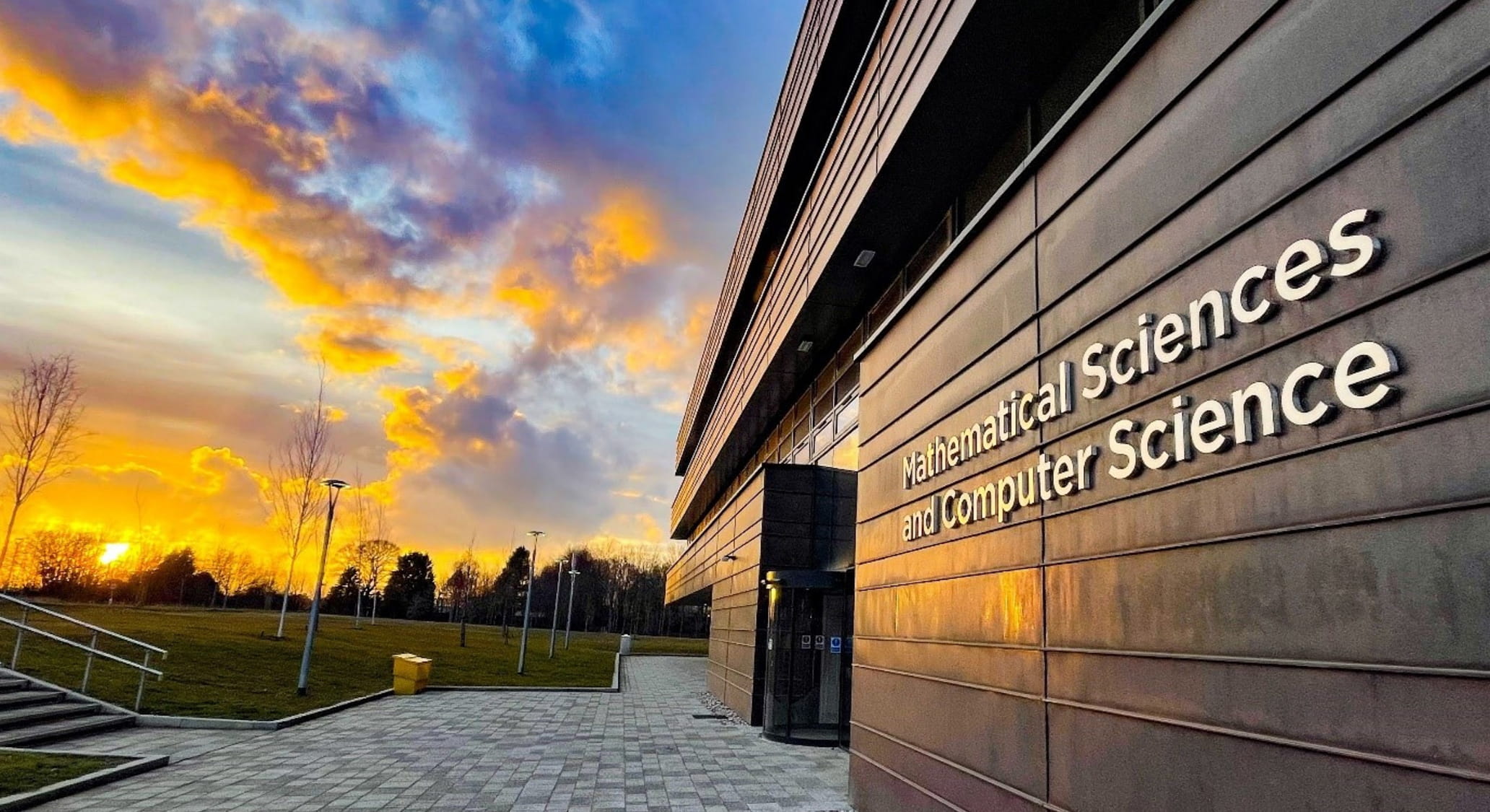
Our Department of Mathematical Sciences and Department of Computer Science building in Upper Mountjoy
The term ‘neurodiversity’ was first coined in the late 90s, as an umbrella term used to describe natural differences in how individuals’ brains’ think and process information. It’s estimated that around one in seven people in the UK have neurodevelopmental differences.”
NHS WEBSITE
Neurodiversity is the idea that differences in how people’s brains work are natural and value-neutral variations of human diversity. Examples of neurodivergence include Autism, ADHD, dyslexia, and dyspraxia.
Mixed thinking styles can create more balanced and higher performing teams, leading to increased innovation and better decision-making. Neurodivergent profiles can create more balanced environments balancing challenge with strength:
Cognitive strengths: those with neurodivergent profiles often show strong pattern recognition and analytical thinking, hyperfocus on topics of interest and excellent recall for details or facts.
Creativity and innovation: unique perspectives can lead to original ideas and problem-solving approaches, and non-linear thinking can often identify alternative solutions. Individuals tend to be less influenced by social norms, leading to more independent and honest viewpoints.
Attention to detail: neurodivergent individuals are often highly precise and accurate, especially valuable in fields like data analysis, engineering, and quality control.
Energy and adaptability: some profiles may bring high energy, spontaneity, and quick thinking, meaning that they can better thrive in fast-changing or high-pressure environments.
New ways of thinking lead to ‘contagious creativity’
Alumnus Nick Harris (Engineering, College of St Hild & St Bede, 1994) is Chief Technology Officer and Managing Partner of London-based Qube Research & Technology (QRT). Their approach is collaborative, combining data, research, technology and trading expertise to solve the most complex challenges.
QRT aims to stimulate intellectual curiosity, cross learning and complex problem solving. We believe that a collaborative environment leads to contagious creativity and a fertile ground for experimental research, fostering disruption and exploring new territories. We consider diversity essential to our success.”
Qube Research & Technology
Nick and QRT believe in fostering creative talent for the future. Nick is also on the Advisory Board of our Department of Computer Science and supports Durham students through internships and graduate schemes. Since January 2025, QRT has sponsored the post of Disability Advisor and Post-Doctoral Research Assistant in the Department. The post-holder works closely with the Centre for Neurodiversity and Development to research and implement learning strategies to support students with neurodevelopmental differences.
Student poses with a vibrant mural in Durham city.
She has worked on the ‘Triple-A’ project and, more recently, on the ‘Better Research Together’ project. The Triple-A project is a University academic generated and led project that has been responsible for developing a training tool that aims to translate research into an online resource for educators, increasing awareness and understanding about the impact of attention, arousal (sensory processing) and anxiety in the classroom, and the Better Research Together project was a collaborative project between researchers and neurodivergent community members to advance participatory research.
A role of two halves
The role funded by Qube marries the theoretical role of the researcher with the more practical role of the advisor. Two separate functions, but where the research can feel quite distant from the practicality, the advisor role offers a more tangible impact for the 23% of students currently accessing the University’s disability service.
In practicality, Jess is line managed by the Head of Disability Support and for half the week, working within a team of ten advisors who support students from right across the University with disabilities, including those that are neurodivergent. Then on the other side of the role, she works with researchers in the computer science department to better understand some of the challenges facing computer science students who are neurodivergent.
Sarah Prescott, Head of Disability Support commented:
This funded role has been a valuable opportunity for Disability Support, further enhancing our existing core provision to disabled students at the University and enabling us to engage collaboratively with work Jess is undertaking in her departmental role. Jess’ expertise, insight, and commitment to supporting neurodiverse students is evident throughout her work. The funding provided has made a tangible difference to projects that Jess is supporting, including creating social groups for autistic students at Durham, a project aiming to create sensory maps of our college spaces, and a brand-new autism awareness training session rolled out to academic and college colleagues in 2026. We are extremely grateful for Qube’s philanthropic support.”
Jess shared her experience of the role with us:
How did you feel taking on a role with such a hybrid nature?
I’m almost halfway through the role’s three-year funding period. I have to admit to being a little apprehensive at first because this hybrid role is so different for me and for the University, but it has worked better than anyone could have imagined. It’s so rewarding to look at the bigger picture alongside finding day-to-day solutions to real challenges.
In your work with Disability Support, does your case load reflect your research into neurodivergence?
I work to support students with disabilities of all kinds, which is really interesting, but because of my experience, I work very closely with the two advisors on the team that specialise in neurodivergence. For example, if there are autistic students that come through the service, these colleagues and I may work with them a little bit more closely, making use of check-in appointments across the academic year.
How do you feel about the level of support for students at Durham?
It’s improving all the time. Within the (Disability Advisor) team, we have diverse backgrounds and skills and we’re constantly trying to improve our approach. The University’s recently established student support model really helps by clearly signposting the support available and how to access it. The team have previously developed the Early Arrival Programme for autistic students arriving before Freshers Week to help the smooth transition into university, and I have helped expand this by running social groups for students facing similar challenges to get together. Our Colleges also have a role to play in supporting students to get involved in activities outside their study, they have their own student support teams and run social events that are often more inclusive that the University-wide ones run by the Students’ Union.
Do you have a vision for where the role might lead?
The term for the role is three years. It would be great if it were to continue because there is an increasing number of students needing our support. From a research perspective, more longevity would mean more flexibility to look at longer term solutions. But as of right now, we’re planning within the three years.
Our current research has begun by focussing on developing a roadmap of research priorities to inform the research we focus on. This has included a large-scale systematic review, as well as collecting data from current computing students about their views. We have also used existing large-scale secondary data to understand the higher education landscape for neurodivergent students. In this initial phase of research, we have found that autistic students have an increased likelihood of studying a Computing degree. We have also found that some of the key issues for neurodivergent students in these spaces include things such as timetables and workload, transition to employment, and importantly, the impact of assumptions of neuro-normativity on course and environmental design.
Jess Hirst
Our support systems and collegiate structure enable as many students to thrive as possible. We are grateful to our alumni like Nick Harris for supporting us to learn more about the challenges encountered by some of our students and for helping us to develop strategies for the future.
For those studying at Durham, we are continuously evolving networks to support all our students during their study and in their journeys beyond. Life after graduation is something that’s important to our neurodivergent students and an integral part of our research. Our Careers Service can offer lots of help, but the research conducted by the team in Computer Science as part of the donor-funded role has been developing more specific support for neurodivergence in career development, transition to employment, the kind of skills required and upskilling for employment. This is an area where the research will really inform the support we are offering and will be valued by potential employers.
Students outside our Department of Mathematical Sciences and Department of Computer Science building in Upper Mountjoy
As a company with creativity at the heart of our strategic purpose, we place the highest value on the collective intellectual curiosity of our team. We find that the experiences offered to Durham graduates encourages them to explore and resolve complex challenges in new and unconventional ways.”
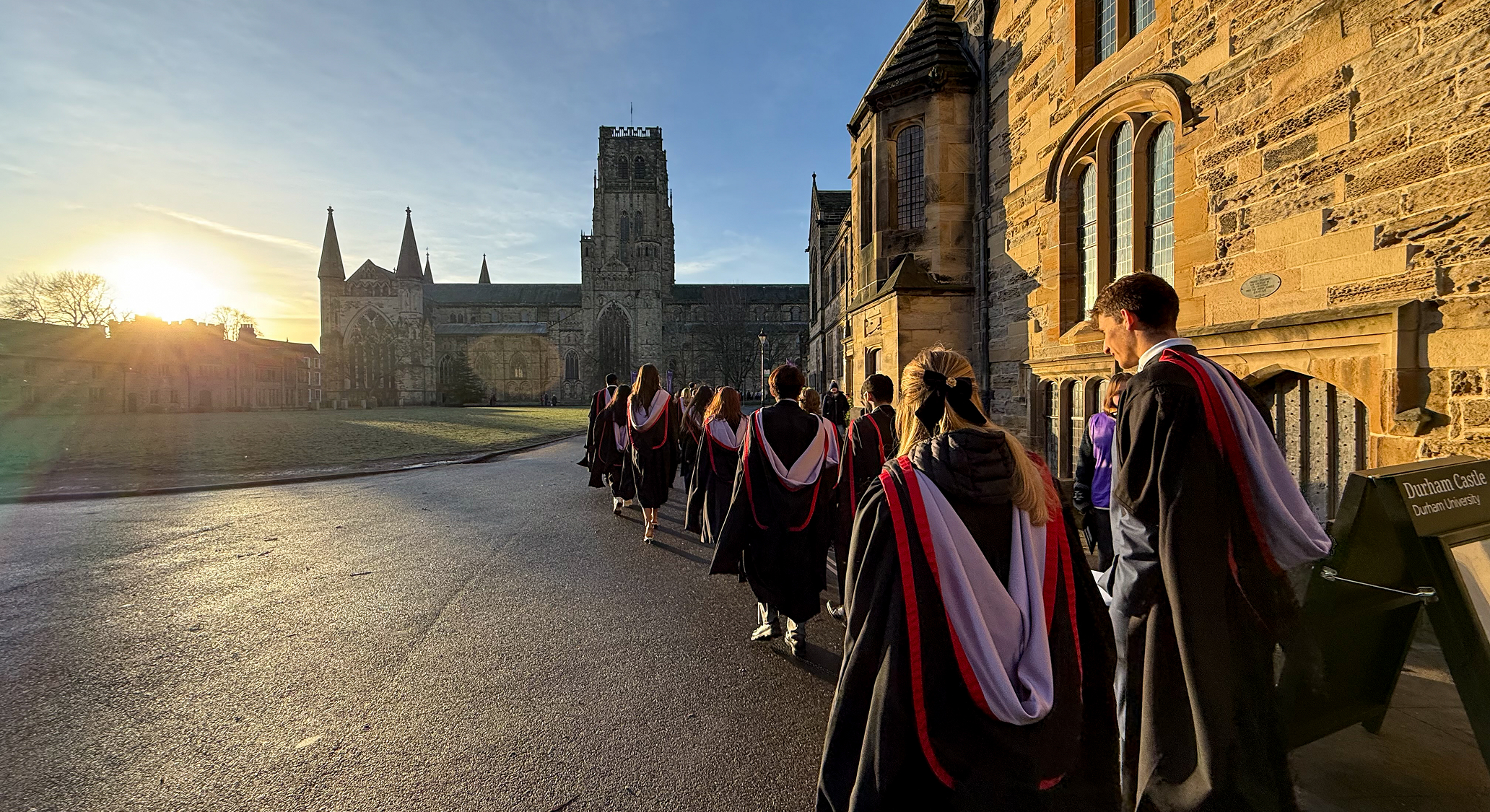
Students head towards Durham Cathedral in their robes for Congregation
Each year, the Study UK Alumni Awards celebrate international graduates who have used their UK education to make a meaningful difference in the world. Delivered by the British Council, the awards recognise alumni whose studies have shaped careers marked by influence, innovation and leadership across business, science, culture and social action.
This year, Durham graduates once again feature among the most outstanding alumni worldwide. From more than 1,800 global applications, just 28 individuals were selected as global finalists. Alongside this, only ten alumni were shortlisted nationally in each participating country. So far, two Durham alumni have been announced as national award winners, with several more named as finalists.
Together, these achievements highlight the global reach and lasting value of a Durham education – and the many ways our international alumni are shaping research, industry and public debate well beyond graduation.
A global awards programme
The Study UK Alumni Awards recognise international graduates across four categories: Business and Innovation; Science and Sustainability; Culture and Creativity; and Social Action. The programme celebrates individuals who have drawn on their UK education to create positive change in their professions, communities and countries.
This year, Durham alumni include two national award winners, six national finalists and one global finalist. Their work spans fields from mineral science and planetary exploration to space technology, law and documentary filmmaking – reflecting both individual excellence and the strength of a university education rooted in curiosity, rigour and global perspective.
Dr Yang Li
National Winner – Science and Sustainability
Dr Yang Li came to Durham in 2013 to begin a PhD in Geoscience, his first experience of studying outside China. During his doctoral research, he made a discovery that transformed understanding of how mineral deposits form, showing that ore systems develop in rapid bursts rather than slowly over geological time.
The finding reshaped thinking in both academic geology and the mining industry. After graduating, Dr Li undertook postdoctoral research at Yale University before returning to China through the Chinese Academy of Sciences’ highly competitive 100 Talents Programme.
Now a tenured Associate Professor at Peking University, his research spans critical minerals and planetary science, including work on rare earth elements and samples returned from the far side of the Moon. Alongside research, he remains committed to training early-career scientists through large-scale international collaboration.
Dr Yang Li
Yuk Chi Chan
National Winner – Business and Innovation
Yuk Chi Chan’s career crosses engineering, law, space technology and entrepreneurship. After serving with the Singapore Army Engineers, he moved to the UK to study law, drawn to Durham’s academic rigour and collegiate culture.
After completing his LL.B., he established South-East Asia’s first dedicated space law practice, advising governments and international bodies on space regulation and sustainability. While working as a mission manager at a UK satellite company, he identified a major industry challenge: fragmented data creating risk and inefficiency across space programmes.
To address this, he founded Charter, the world’s first financial-technology company built specifically for the space sector. Charter now works with organisations including NASA’s Jet Propulsion Laboratory, the US Space Force and global insurers. Yuk Chi regularly returns to Durham as a visiting lecturer and mentor.
Yuk Chi Chan
Aslıgül Armağan
Global Finalist – Culture and Creativity
From more than 1,800 applicants worldwide, Aslıgül Armağan was selected as one of only 28 global finalists in the 2026 Study UK Alumni Awards. A graduate of History and Classics at Durham, she went on to complete an MSc in Global Media and Communications at the London School of Economics before building an international career in documentary filmmaking.
Her work explores truth, power and human rights. Films including The Dissident and Icarus: The Aftermath have premiered at major festivals, received a BAFTA nomination, and contributed to global public-awareness campaigns.
Now based in the United States, Aslıgül works across filmmaking, journalism and advocacy. She is a BAFTA member, judges the BAFTA Student Awards, mentors emerging filmmakers and lectures internationally.
Aslıgül Armağan
Our 2026 national finalists
Alongside our national winners and global finalist, we are proud to recognise the following national finalists from across our international alumni community:
Dr Mohammad Alshehri
Business and Innovation Award, Qatar
Ustinov College, Computer Science (2018–2024)
Adnan Ahsan Khan
Culture, Creativity and Sport Award, Pakistan
St Mary’s College, International Trade and Commercial Law (2011–2013)
Barbara Ackonor
Business and Innovation Award, Ghana
Ustinov College, Economics and Finance (2013–2014)
Dr Ho Nam
Science and Sustainability Award, Vietnam
St Aidan’s College, Business Administration (2020)
Dr Jitendra Thakur Science and Sustainability Award, India
St Aidan’s College, Geography (2010–2016)
An international community with lasting impact
From local beginnings in Durham to leadership on the world stage, the journeys of our Study UK Alumni Award winners and finalists demonstrate the power of a globally engaged education. Together, their achievements reflect the strength, diversity and enduring impact of our international alumni community – and the many ways a Durham education continues to shape lives, ideas and industries worldwide.
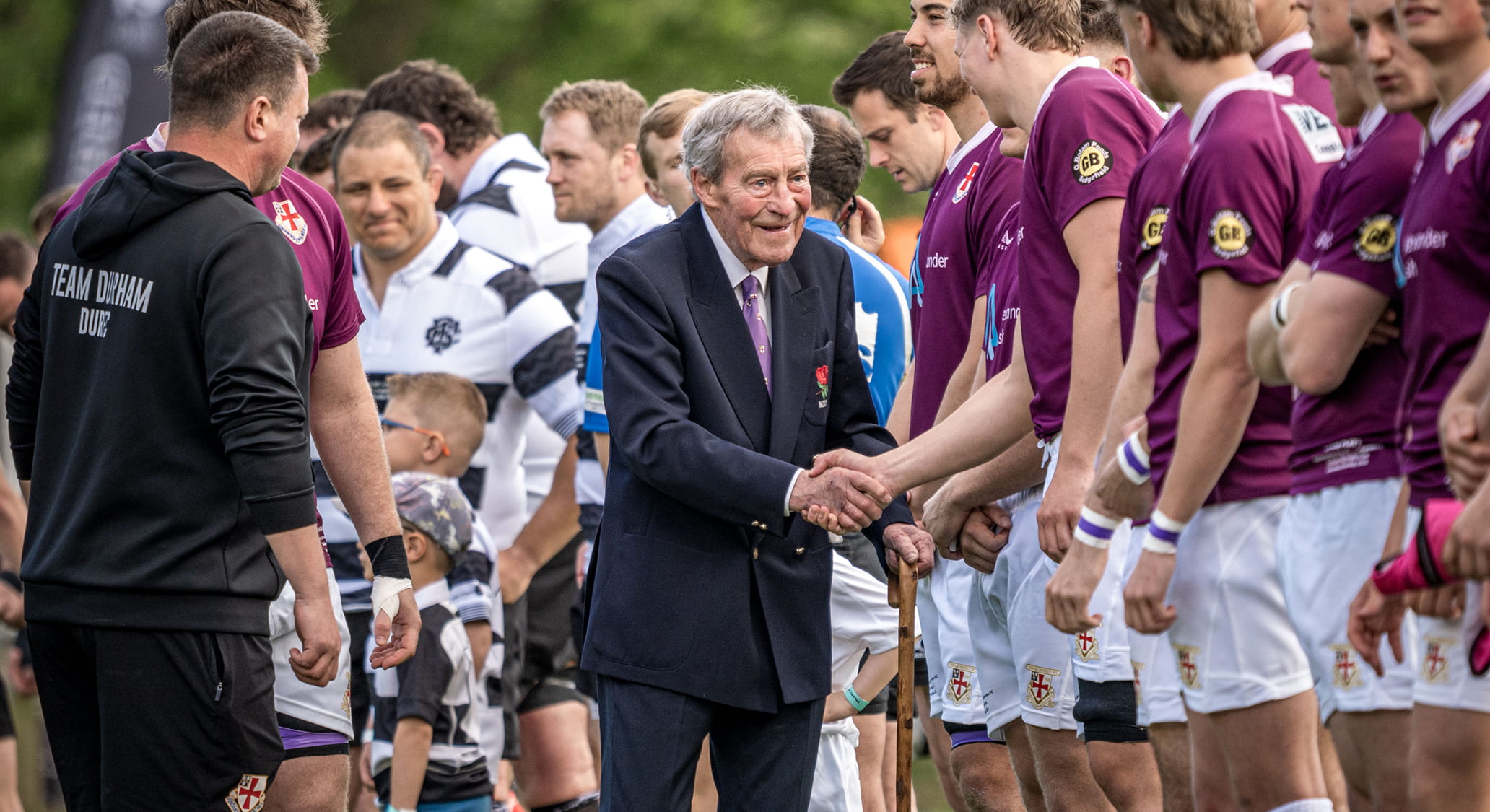
Former University rugby coach and DURFC president Ted Wood returns to Durham in 2025 to meet with players
In 1875, a group of Durham students gathered to play a game that was still finding its feet. More than 150 years later, rugby at Durham University remains a defining part of student life, alumni identity and our wider contribution to sport.
Since celebrating its 150th anniversary in 2025, Durham University Rugby Football Club has continued to mark that milestone, both in the North East of England and on the world stage.
Durham is a well-established university with a good reputation. That’s what attracted me initially. Then I considered the rugby programme. Durham is in British Universities and Colleges Sport (BUCS) Super Rugby, which is a very competitive league. It’s a great shop window for people aspiring to play professional rugby. It was a win-win for me. I could combine my studies with the opportunity to progress with my rugby and future career in the sport.”
MAX PEPPER
A tradition rooted in North East England
Rugby has been played at Durham University since 1875, giving the Club a history that spans more than a century and a half. From its earliest years, it became part of the rhythm of collegiate life, shaped by both the University’s traditions and the North East of England’s deep-rooted connection to the game.
Over the decades, Durham teams have earned a reputation for discipline, leadership and resilience. These characteristics have resonated far beyond the touchline. Numerous alumni have carried those qualities into diverse careers. Others remained within the game, shaping its future both on the pitch and in coaching and executive roles.
Few figures embody that continuity more clearly than Ted Wood, former Durham coach and Club President. His expertise and influence helped shape elite players and Durham graduates such as Will Carling, Will Greenwood, Phil de Glanville, Chris Oti and Marcus Rose, all of whom progressed to international rugby. Their achievements remain some of the most visible markers of Durham’s historic contribution to the men’s game. They also reflect something deeper: a culture that valued character as highly as performance.
Marcus Rhodes scores a try during the DURFC 150 anniversary match against the Barbarians.
Adapting to a changing game
While rugby has transformed dramatically since the 19th century, Durham’s strength has been its ability to adapt. Today, the University competes consistently at the highest level of BUCS Super Rugby, operating within an elite sporting environment that mirrors professional standards while our students continue their academic journey.
Durham’s rugby performance model – encompassing coaching, strength and conditioning, medical support, performance analysis and leadership development – forms a central part of the University’s wider student experience. Crucially, many of those leading this work are Durham alumni themselves, returning with first-hand knowledge of the balance required to succeed both on the pitch and in the lecture theatre.
That continuity matters. It ensures that institutional memory is not lost, and that modern innovation sits alongside long-established values of integrity, humility and pride in representing the University.
I think what makes Durham rugby great is the opportunity to be connected for life. I have witnessed first-hand the guidance and support our rugby alumni give to current students.”
DAVE COLDWELL
Head of Sport and Physical Activity
From Durham to the professional game
That principle is evident in the journeys of recent alumni. Guy Pepper (Sport and Health Exercise, Grey College, 2021-2025), who studied at Durham and grew up in the North East of England, progressed from university rugby into the English Premiership and, more recently, on to England honours. His brother, Max Pepper (Sport and Health Exercise, Collingwood College, 2021-2024), followed a similar trajectory, establishing himself in the professional men’s game after graduating from Durham and representing Great Britain at Rugby Sevens.
Their paths illustrate the strength of Durham’s modern rugby ‘pipeline’, one that connects regional talent with national opportunity without requiring students to step away from academic life. This combination has become increasingly rare in a professionalised rugby landscape. It remains a defining feature of Durham’s offer.
Alumnus Fitz Harding, now captain of Bristol Bears, has continued his relationship with Durham long after graduation, returning during the anniversary year to present kit to current players. Harding’s presence underscored the strong bond between alumni and today’s squads, and the importance of visible role models within the University community.
Women’s rugby and evolving narratives
If the historic narrative of Durham rugby was once dominated by the men’s game, the present and future tell a broader story. Women’s rugby at Durham has grown steadily in scale and influence, producing internationals, professional players and leaders who are reshaping perceptions of the sport. Alumni such as Maëlle Picut, who has represented France, Beth Blacklock, capped by Scotland, and Coreen Grant, a Scotland international and former Durham captain, reflect the depth of talent emerging from the University’s women’s programme.
Women’s rugby DUWRFC Past and Present gather ahead of the DURFC 150 anniversary match against North East Women’s Select XV
Claudia Moloney-MacDonald (Economics, Josephine Butler College, 2015-2018), a Durham graduate who took up rugby whilst studying at Durham played both for the University and for her college. Her rise through the sport has been remarkable. She currently plays in the English Premiership with Exeter Chiefs. As a member of England’s Red Roses, her achievements include lifting the Rugby World Cup and more recently competing in the 2026 Women’s Six Nations, a career that reflects both elite performance and sustained excellence at the highest level.
Her success also points to wider changes within the University’s rugby culture. Women’s rugby is no longer a marginal story, but a central one, supported by performance infrastructure, coaching expertise and increasingly strong alumni networks. While not all achievements attract headlines, together they illustrate how Durham continues to adapt as the game itself evolves.
Untold stories and access to opportunity
Over more than 150 years, one of Durham rugby’s strengths has been its ability to open doors. For many students, rugby has provided not only a sporting outlet, but access to leadership experience, confidence and community.
In recent years, this commitment has been reinforced through targeted scholarship support. The Durham Racecourse Rugby Scholarship, funded by rugby alumni, supports talented players from lower-income households, providing £5,000 per year for up to four years of undergraduate study. Open to both men and women, the scholarship combines financial support with informal mentoring and full integration into Team Durham’s performance programme.
By reducing financial barriers to participation, the scholarship ensures that talent, rather than circumstance, determines who can thrive. For recipients, the impact often extends far beyond university, shaping career aspirations and outlooks long after graduation.
Mitchell Lacey Babalola being tackled by alumnus Pat Bishop
Community across generations
The 150th anniversary in 2025 served as a moment of reconnection as much as celebration. Alumni returned to Durham and London for fixtures, reunions and the launch of the 1875 Society, strengthening ties between past and present players. A landmark match against the Barbarians, staged at Durham City Rugby Club’s ground signified both tradition and renewal.
Since then, the anniversary has continued to inform how Durham rugby understands its purpose. Alumni engagement plays a growing role in mentoring, careers guidance and network-building, reinforcing the idea that participation in rugby at Durham is the beginning of a lifelong connection rather than a finite experience.
Looking ahead
For students, rugby at Durham offers the chance to pursue excellence within a supportive academic environment. For alumni, it offers enduring connection and shared pride. And for the University, it stands as a powerful example of how tradition, innovation and opportunity can coexist.
After more than a century and a half, the impact of rugby at Durham endures: both on the world’s rugby fields and on the development of our students as leaders of the future.
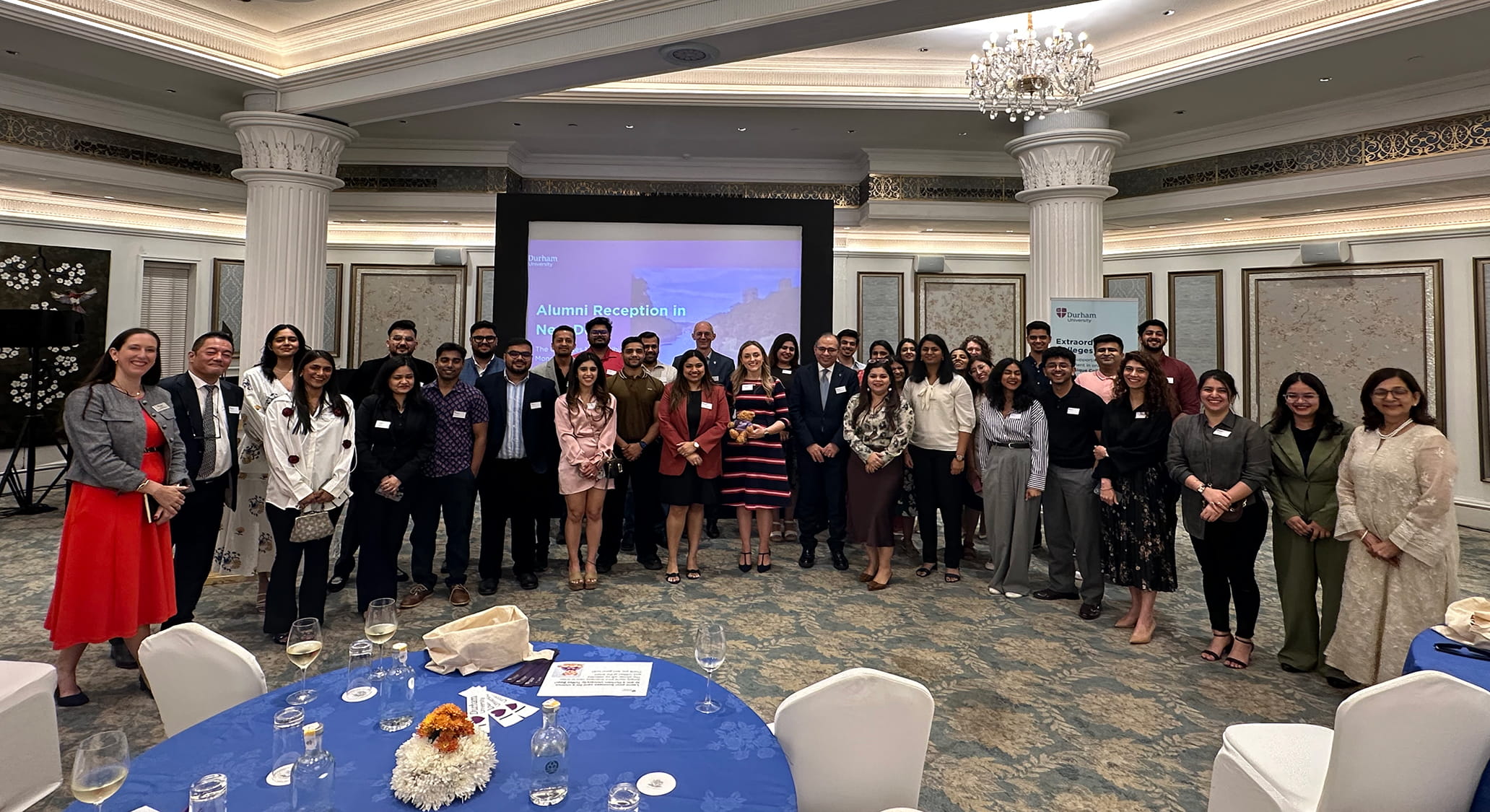
Colleagues from across the University met with past and future students at two receptions in India this year.
Our Chief Development Officer, Dr Katie Harland-Edminson joined colleagues from our Alumni Relations, Business School and International Office teams to welcome alumni and prospective students in New Delhi and Mumbai.
It was lovely to meet so many of our alumni in India and to see the community grow stronger over time. We are delighted that Durham has remained with them long after graduation.”
Dr Katie Harland-Edminson
Chief Development Officer
More than 100 guests registered to hear news from our Business School as well as the wider University. They also caught up with Durham’s next generation, engaging with students holding offers for our 2026 student intake.
Chapter Lead Sahil Kumar (MBA, University College, 2019-2020) welcomed guests in New Delhi, strengthening existing connections and making new ones. The Chapter continues to gain momentum, with a full programme of events planned for the next year.
Through our events, I have met some wonderful alumni. Over dinner, we reminisce about Durham and our University experience from different years. We discuss our professional and personal paths since graduating and even share some photographs.”
SAHIL KUMAR
New Delhi Chapter Lead
Alumni event in Mumbai
Lifelong connections
Our alumni are vital role models for new students, both in Durham and around the world.
Alumnus Dr Arnab Basu MBE (Physics, Ustinov College, 1999-2003) was recently installed as the High Sheriff of the County Palatine of Durham.
After graduating with a PhD from Durham in 2003, he co-founded the University spinout company, Kromek Group. He continues to lead the company as CEO. The Group grew from cutting-edge Durham research in radiation detection technology, employing more than 150 people across two continents.
Dr Basu has lived in County Durham for over 30 years, after arriving from Kolkata to study in North East England.
Dr Arnab Basu, High Sheriff
Inspiring the next generation
India’s population is approaching 1.5 billion, accounting for almost 18% of the world total. Each year, the number of talented Indian students choosing to study at Durham is increasing steadily. We appeal to many Indian students and their families who are looking beyond their own borders, not just for academic credentials, but for the global exposure and international career prospects that we can offer.
Matt Jarvis from our International Office leads a team based in India that introduces prospective students to all four of our faculties. This is done through a events and fairs, which alumni often attend to share their invaluable, first-hand experiences of studying at Durham.
Our International scholarships offer is now stronger than ever. Through our Inspiring Excellence Scholarships programme, in common with all international students, Indian students can apply for funding toward their tuition fees.
Having spent 15 years recruiting international students, I’m constantly blown away by the passion and drive that they bring to their studies. I’m excited to develop the opportunities that we provide to these students, inspiring them to go on to achieve extraordinary things.”
MATT JARVIS
Durham University International Office
A vote of confidence
Shreeyanshi Gagrani, an Inspiring Excellence Scholarship recipient from Ichalkaranji, is currently studying for an MSc in Criminology and Criminal Justice. She explains why she chose Durham:
Durham stood out in every possible way. I also looked up the faculty for each of the schools and found out about the research and work my now teachers, do outside of teaching. I thought this is so close to what I want to do with my education. So, I came here to learn from the best.”
Shreeyanshi Gagrani at Matriculation
Shreeyanshi describes her reaction to her scholarship award:
I feel very proud. A panel sat down and decided to invest this amount in my education. I do not take that for granted. It is not only a financial aid, but also a vote of confidence in me.”
Shreeyanshi is already building connections for the future. Prospective students from her home town are approaching her for advice and guidance about studying at Durham.
Collaborations for the future
We are well-established as a significant academic collaborator in India, with over 20 institutional partnerships spanning engineering, climate science, law, heritage and education. We value international collaboration as central to enhancing global knowledge and developing global citizenship.
We formalised the latest of our partnerships through a Memorandum of Understanding (MoU) with the Indian university Amrita Vishwa Vidyapeetham, to establish the International Joint Centre of Excellence for Energy Resilience and Decarbonisation (CERD). The MoU strengthens long-term India–UK collaboration in sustainable energy research, climate resilience, and innovation.
Under the agreement, both universities will work together on joint research projects. We will support, enable faculty and doctoral exchanges, share digital and scientific resources, and create a joint governance structure to guide the work ahead.
As a University community, we have much to celebrate from the past year and much to look forward to. We are grateful that you, our alumni and supporter community, continue to be our greatest ambassadors globally, advocating for Durham and supporting our students both throughout their studies and in their onward journeys.
We have been named in the QS World University Rankings World Top 100, a position we have achieved every year since 2010. This is a significant achievement. It speaks to the high quality and global standing of our University. Our position is hard won when many universities are competing for top rankings.
The World Top 100 ranking in this prestigious league table confirms the University’s strong global reputation for employability and reflects the quality and relevance of our education and research. Our research makes a difference to lives globally and locally. Our collaborative approach across our departments, faculties and research institutes increases its impact. We shared Durham’s exciting vision for transformative humanities with alumni at the annual meeting of Convocation recently. There is more detail about that, and our collaborative work across science, in this magazine.
Sustainability remains an important part of our University Strategy. Our staff, students and alumni endeavour to address the impact of the challenges of today and prepare for those of the future. The latest QS World University Rankings for Sustainability place Durham 22nd globally and eighth in the UK.
Our students and graduate entrepreneurs strive to find solutions to climate challenges and continue to develop social enterprise projects locally and internationally.
Richard Walker OBE outside St Aidan’s College
At Durham, our students receive a challenging, enabling and research-led education that encourages intellectual rigor. They are resourceful and able to apply their knowledge and skills to real-world challenges. We welcomed alumnus Richard Walker, CEO of Iceland Stores, back to Durham twenty years after graduating to share his experience with students. Richard describes himself as ‘environmentally conscious’ and credits his time at Durham, and particularly his degree in Geography, with shaping his passion to help meet the challenges of climate change.
St Mary’s College
We begin to consider our bicentenary in 2032 and reflect on our historic milestones. St Mary’s College opened as Durham’s first female-only college in 1899 and introduced male students 106 years later in 2005. The College is celebrating its 125th birthday this year. The generosity of the gifts left by some of St Mary’s remarkable alumni and friends support and inspire the journeys of the students of today. Two colleges formed against the backdrop of the educational reforms of the 1960s are celebrating 60 years: Van Mildert, one of our early co-educational colleges, and Ustinov, our only exclusively postgraduate college. Both are working closely with their alumni to secure their future goals.
Professor Kieran Fernandes, Professor Karen O’Brien and Mr Paul Polman
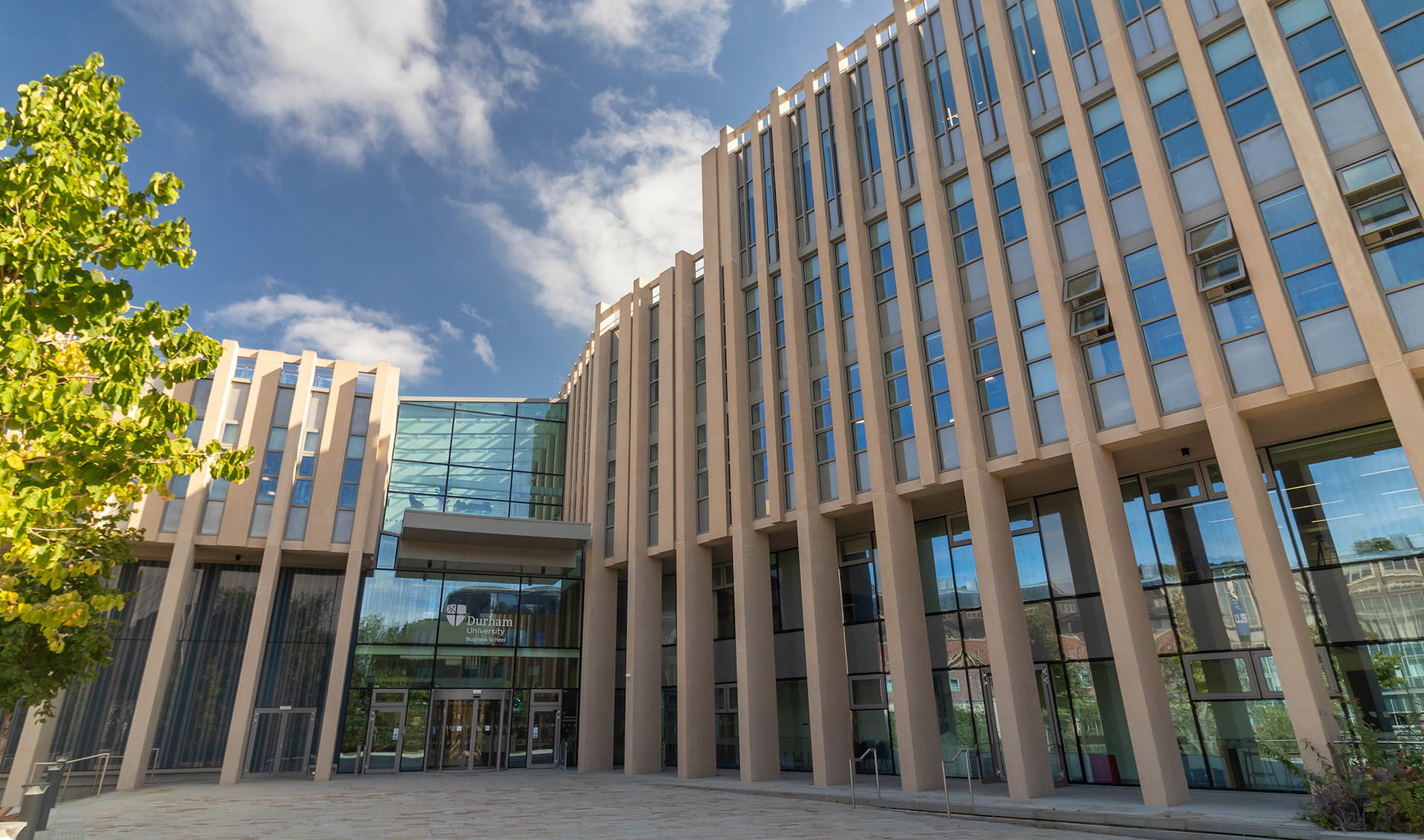
It has been a pivotal year for our world-leading Business School. Its new home, Waterside, was officially opened to find solutions to climate challenges and continue to develop social enterprise projects locally and internationally.
In the last year we have experienced challenging circumstances for UK higher education and we are grateful to the whole community for inspiring us with your achievements.
We have witnessed many alumni and friends being appointed to positions in Parliament and across all political parties following the UK general election. We were in awe of the sporting prowess of our Olympians last year and admired the determination of our young entrepreneurs to take on the challenge of the Dragon’s Den. Then at Christmas time, we cheered the triumph of our team in the alumni version of the University Challenge quiz show.
Thank you to those of our community who have contributed to this magazine. I hope you enjoy reading it.